A tragic incident occurred near the famous Nazca Lines in Peru, where a small plane crashed while viewing the archeological site, resulting in the death of all 13 people on board. According to police reports, the victims included 11 passengers and 2 pilots, confirming no survivors.
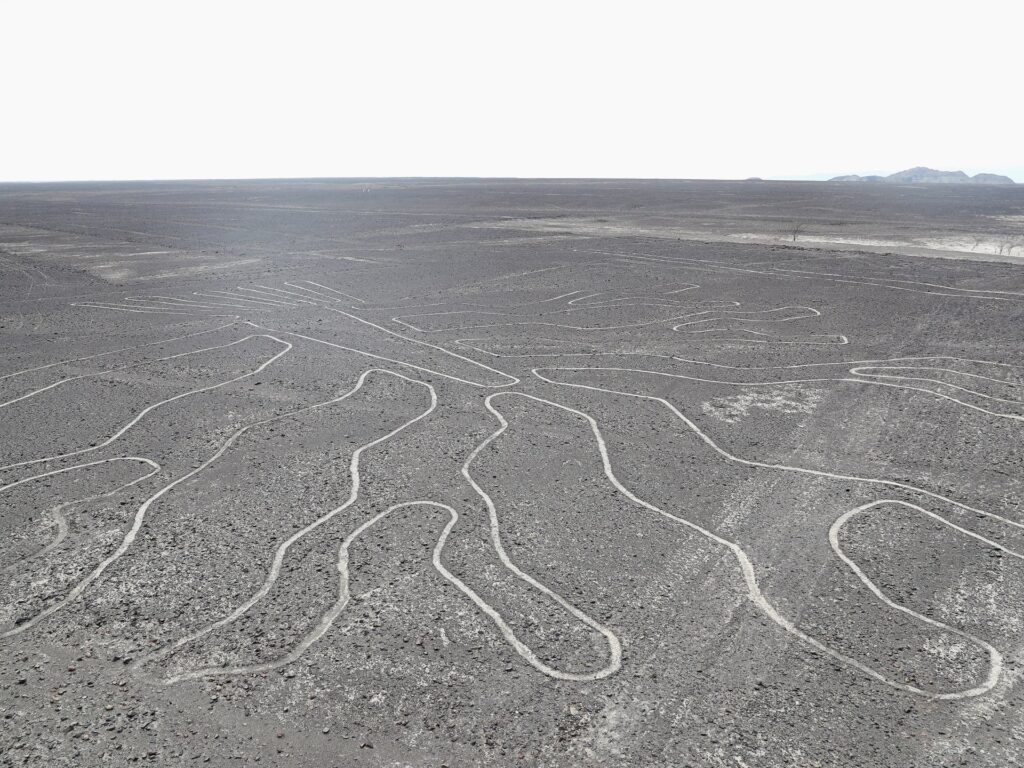
The Nazca Lines, recognized as a UNESCO World Heritage site, are large geoglyphs made up of hundreds of individual figures ranging from simple lines to complex zoomorphic designs. They are situated in the Nazca Desert in southern Peru and attract numerous tourists annually who often take flights to view the patterns from the air.
This accident has sent shockwaves through the local community and the tourism industry, which relies heavily on visitors to this landmark. Authorities have launched an investigation into the cause of the crash to determine if there were any technical failures or external factors that contributed.
Emergency response teams were dispatched quickly to the site but were unable to save any of the passengers or crew due to the severity of the crash. Helicopter and ground rescue teams were involved in the recovery operations.
The Peruvian government and tourism officials have expressed condolences to the families of the deceased and promised support for those affected. There has also been a call for a safety review of all sightseeing flights over highly sensitive and heavily trafficked tourist destinations to prevent future incidents.
Local aviation experts suggest that small aircraft flights around the Nazca Lines must adhere strictly to safety regulations given the challenging flying conditions and the importance of the site as a cultural heritage area.
The Nazca Lines themselves remain undamaged by the crash, according to the initial assessments by archaeologists and local authorities. The site continues to be a focal point for studies on ancient cultures and attracts researchers from around the world.
Authorities are urging anyone with information regarding the accident to come forward to assist with the investigation. Meanwhile, flights over the Nazca Lines have been temporarily suspended by local aviation authorities pending further review.
This catastrophe serves as a somber reminder of the risks associated with aerial tourism and the critical need for stringent safety practices to protect human life and preserve world heritage sites.