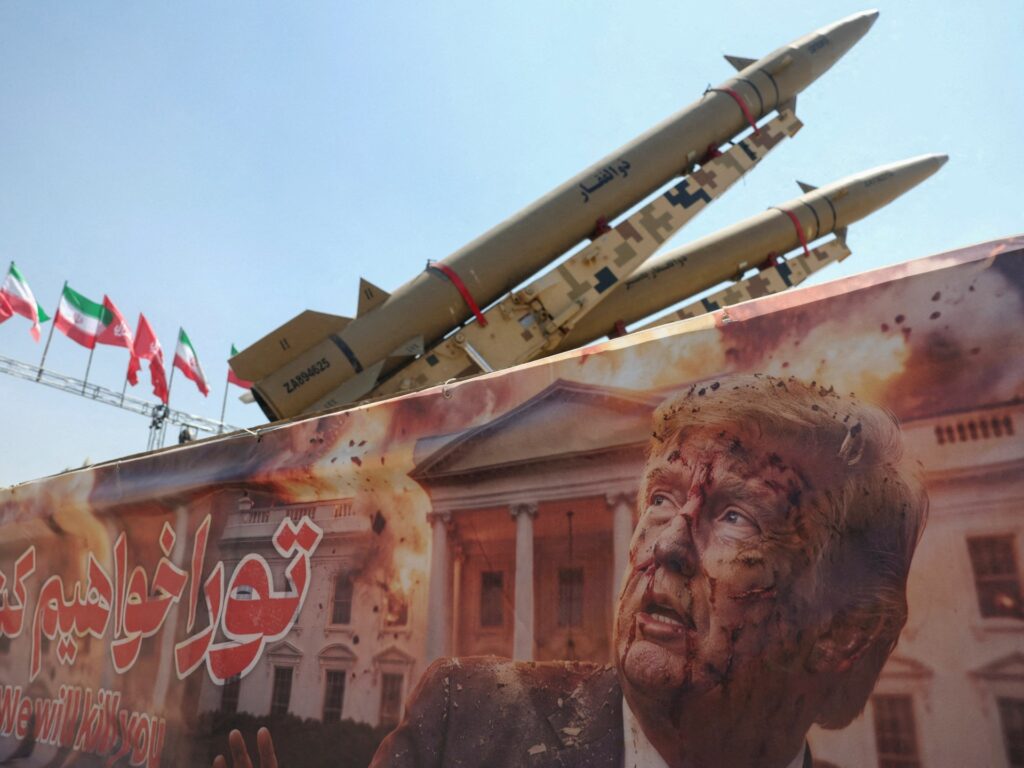
In a recent escalation of geopolitical tensions, Tehran has issued a stern warning to the United States, promising a ‘decisive’ response to any form of aggression. This development comes amid heightened concerns about the stability and security in the Middle East, particularly involving Iran’s relations with the US and regional countries.
Iranian diplomat Abbas Araghchi, a senior figure in Tehran’s foreign affairs, took proactive steps to communicate the seriousness of Iran’s stance by engaging in separate phone calls with the foreign ministers of Turkiye (Turkey), Pakistan, and Saudi Arabia. These calls underscore Iran’s effort to rally regional support or at least ensure a common understanding concerning its position against any perceived American threat.
The warnings from Iran reflect an increasingly tense situation where diplomatic channels are actively utilized to prevent misunderstandings that could lead to conflict. Araghchi’s outreach to key players in the Muslim world suggests a strategic attempt to safeguard Iran’s national interests through regional diplomacy and to possibly create a bloc that counters US influence.
Historically, US-Iran relations have been fraught with conflict, including issues like nuclear program sanctions, military presence in the Gulf, and proxy conflicts across the region. This latest warning might signal a new phase of confrontation or a potential deterrent designed to avoid military escalation.
Turkey, Pakistan, and Saudi Arabia hold significant geopolitical positions in the region, making their responses and stances crucial. Turkey, straddling Europe and Asia, often mediates in regional conflicts, while Saudi Arabia’s role as an oil giant and religious leader adds weight to its diplomatic relations. Pakistan, a nuclear-armed nation with close ties to both the Muslim world and the West, also plays a critical role in regional security dynamics.
Tehran’s communication with these nations also highlights the fragmented but interconnected alliances across the Middle East, where sectarian, political, and economic factors intertwine. Iran’s warnings may serve as a deterrent to discourage US military action while simultaneously seeking to bolster its own regional influence.
The broader international community watches with concern as these developments unfold, given the potential for escalation and the wider implications for global security, energy markets, and diplomatic relations. Any misstep could trigger wider conflict affecting millions of lives.
As the situation remains fluid, all eyes remain on diplomatic communications, military movements, and political statements from Washington, Tehran, and allied countries. The stakes are incredibly high, and the outcomes uncertain, emphasizing the critical importance of diplomacy and measured responses in the face of rising tensions.
In summary, Iran’s warning to the US marks a significant moment in ongoing regional dynamics, with Tehran clearly signaling it will respond forcefully to any perceived aggression. The involvement of Turkey, Pakistan, and Saudi Arabia illustrates the complexity and interconnected nature of Middle Eastern geopolitics, where every diplomatic move is laden with implications for regional and global stability.