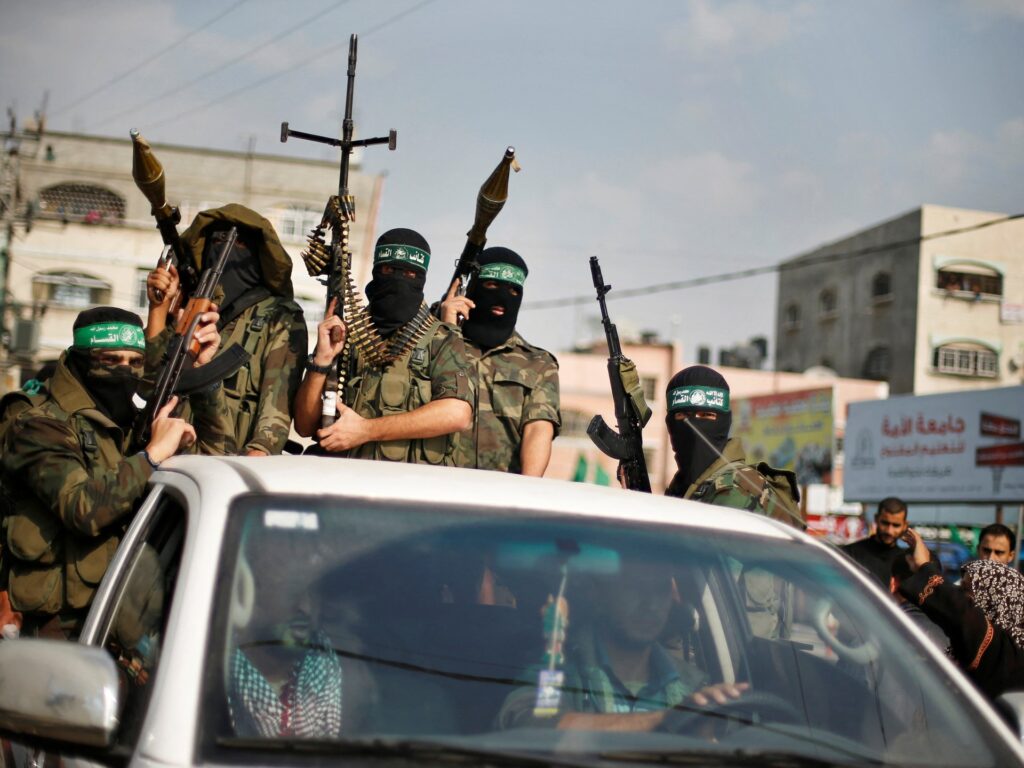
A landmark agreement has been announced between Hamas and Israel, marking a significant step towards peace in a region long plagued by conflict. The deal entails Hamas agreeing to disarm progressively in exchange for a phased Israeli withdrawal from contested territories. This agreement has sparked widespread reactions globally, with many expressing cautious optimism about its potential to foster stability and lasting peace.
The agreement, hailed as a breakthrough, aims to address the deep-rooted hostilities that have caused immense suffering over the decades. Hamas’ commitment to disarm in stages reflects a pragmatic approach towards reducing violence and building trust between the parties involved. In return, Israel’s promise to withdraw gradually signifies an acknowledgment of Palestinian governance needs and territorial claims.
International leaders and organizations have welcomed the deal, emphasizing the importance of its implementation. The United Nations Secretary-General highlighted the agreement as a hopeful sign for regional peace, encouraging all parties to honor their commitments fully. Similarly, the European Union praised the initiative, calling it a vital step towards reducing tensions and improving the humanitarian situation.
However, experts and analysts urge caution, noting that historical precedents have shown how fragile such agreements can be. The success of this accord hinges on the transparent and consistent execution of its terms by both Hamas and Israel. Verification mechanisms and international oversight will play crucial roles in ensuring compliance and addressing breaches.
The local population, long affected by conflict and instability, has reacted with a mixture of hope and skepticism. Many see the potential for improved security, economic development, and the restoration of normalcy. Yet, decades of mistrust and endured hardships temper expectations, underscoring the need for tangible progress on the ground.
Civil society groups and peace advocates are mobilizing to support the agreement’s implementation, promoting dialogue and reconciliation efforts alongside political developments. Their involvement is considered essential in sustaining momentum and encouraging community engagement.
The agreement also raises important questions about the future political landscape and the broader peace process in the Middle East. Analysts suggest that if successful, this deal could pave the way for further negotiations addressing other contentious issues such as recognition, borders, and rights.
In conclusion, the world watches this development with a sense of guarded hope. While the Hamas disarmament deal represents an unprecedented opportunity for peace, its true impact will depend on the commitment and cooperation of all stakeholders. Continued international support and vigilance will be vital to transforming this agreement from a hopeful announcement into a durable reality for the people affected by decades of conflict.