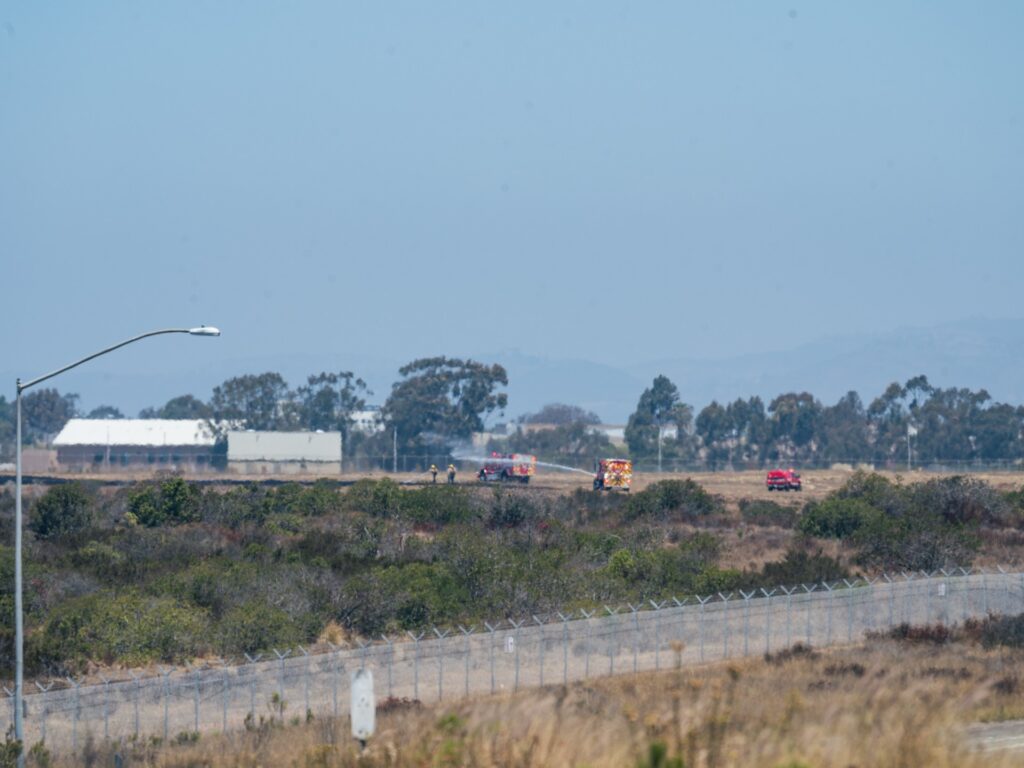
On Friday, an F-35B jet fighter operated by the US military crashed near the Miramar airbase located in San Diego, California. Fortunately, the pilot of the aircraft was reported to be safe following the incident. The F-35B, part of the advanced stealth fighter fleet, is known for its short takeoff and vertical landing capabilities, serving multiple roles across the armed forces. The details surrounding the crash remain under investigation as the military works to determine the cause. Impact on local areas and any resultant damage have not been disclosed at this time. This incident marks a significant event for the US military, which continues to emphasize the importance of stringent safety measures and operational readiness. The recovery and investigation teams have been deployed to the crash site to gather crucial information. Authorities have reassured the public about safety and air traffic continuity in the area. The US Department of Defense often conducts thorough reviews following such accidents to prevent recurrence. This crash adds to a list of challenges faced by modern military aviation technology amid complex operational environments. The F-35 program, despite occasional setbacks, is a cornerstone of the US Air Force, Navy, and Marine Corps’ future air capabilities. Officials have expressed relief that the pilot escaped injury and are focusing on supporting him after the crash. The event is likely to prompt further scrutiny of maintenance procedures, pilot training, and aircraft design considerations. It also raises questions regarding operational risks and the robustness of current safety protocols. Local communities near Miramar airbase are closely monitoring developments as military activities continue in the region. Updates from military spokespersons and investigative teams will provide more clarity on the circumstances leading to the crash. The incident underscores the inherent dangers present in military aviation during both training and operational sorties. Analysts might examine this crash within the broader context of aviation safety and military readiness. The US armed forces maintain a commitment to transparency and safety improvements in response to such incidents. While pilot safety protocols were effective in this case, ongoing efforts aim to mitigate risks in the future. The incident does not currently appear to involve hostile action or external threats. Military leadership has reaffirmed confidence in the F-35B platform despite the setback. This crash could influence future policy decisions regarding fighter jet deployment and pilot safety measures. It may also lead to enhancements in emergency response strategies and post-incident support for personnel. The F-35 program continues to be a critical element of national defense strategy amid evolving global security challenges. Stakeholders from military and defense sectors will watch closely as investigations unfold and recommendations emerge. The recovery operation is expected to proceed carefully to preserve evidence crucial to the inquiry. In summary, while the crash is a setback, the safe status of the pilot is a positive outcome. The US military remains dedicated to ensuring the highest standards of aviation safety and operational excellence.