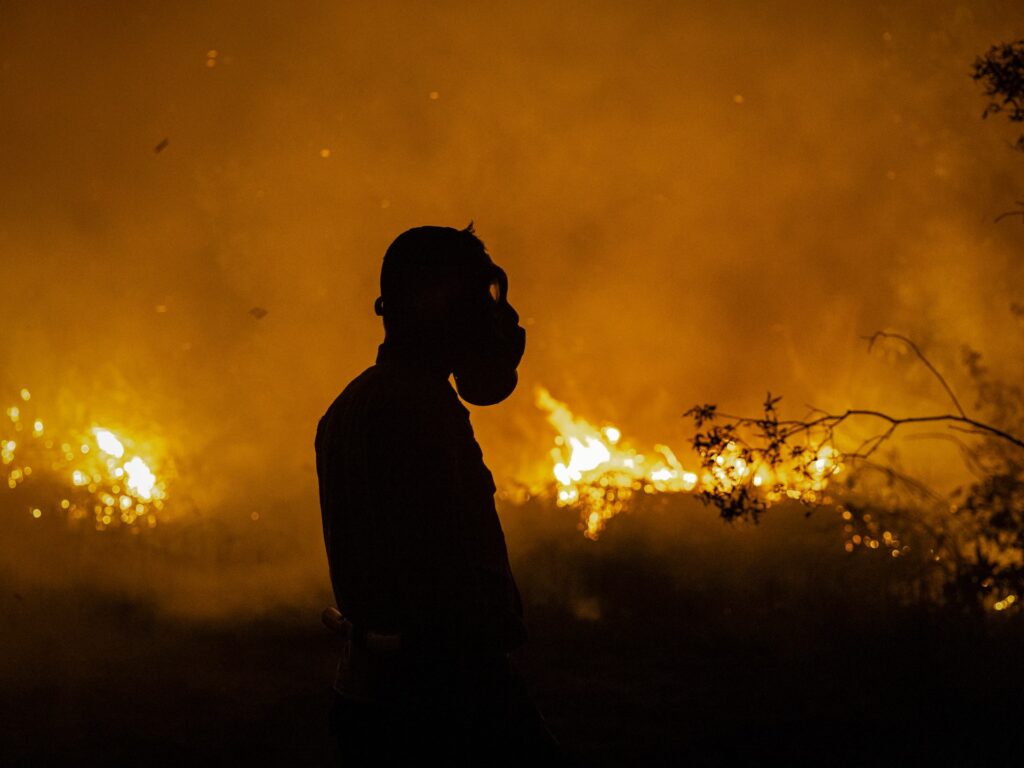
The United Nations has issued a stern warning about the escalating impact of a powerful El Nino event, which is expected to significantly intensify heatwaves across the globe. UN Secretary-General Antonio Guterres emphasized that this natural phenomenon will exacerbate the already critical climatic conditions, describing it as heat on ‘a planet already on fire.’
El Nino, a periodic climatic event marked by the warming of Pacific Ocean surface temperatures, influences global weather patterns and has been linked to extreme weather events such as heatwaves, floods, and droughts. Its occurrence this year is expected to amplify these effects, putting additional stress on ecosystems and human communities worldwide.
Guterres called on governments and industries to urgently halt the expansion of new fossil fuel projects. He underscored the importance of transitioning to renewable energy sources to mitigate human-induced climate change, which exacerbates the impacts of natural events like El Nino.
The intensification of El Nino is projected to trigger a series of extreme weather events globally, including prolonged heatwaves that could shatter temperature records. These heatwaves threaten to heighten risks of wildfires, disrupt agriculture, and strain water resources, particularly in vulnerable regions.
Furthermore, flooding and drought conditions are expected to become more severe in different parts of the world. Coastal and low-lying areas could experience inundation due to heavy rainfall, while some inland regions might face water shortages because of extended dry spells.
Experts highlight that the combination of natural El Nino cycles and anthropogenic climate change creates a dangerous feedback loop. Rising global temperatures have already increased the baseline stress on the planet’s climate systems, making the additional heat and precipitation anomalies from El Nino even more impactful.
This compounded effect poses significant threats to biodiversity, agriculture, human health, and economy. Food security in vulnerable regions could be jeopardized as crop yields decline or become inconsistent due to climate disruptions.
UN agencies are preparing to deploy emergency aid and reinforce resilience measures in the most at-risk countries. Early warning systems and climate adaptation strategies are crucial to reducing the human and economic toll of these extreme events.
Guterres’s message also serves as a call to action for the international community to double down on climate commitments ahead of upcoming global summits. Accelerating emissions reductions and investing in sustainable infrastructure are vital steps to safeguard the future.
In summary, the powerful El Nino event is poised to dramatically worsen heat stress on a climate system already strained by human activity. Urgent global cooperation and decisive policy shifts towards renewable energy and climate resilience are essential to confront this multifaceted crisis effectively.