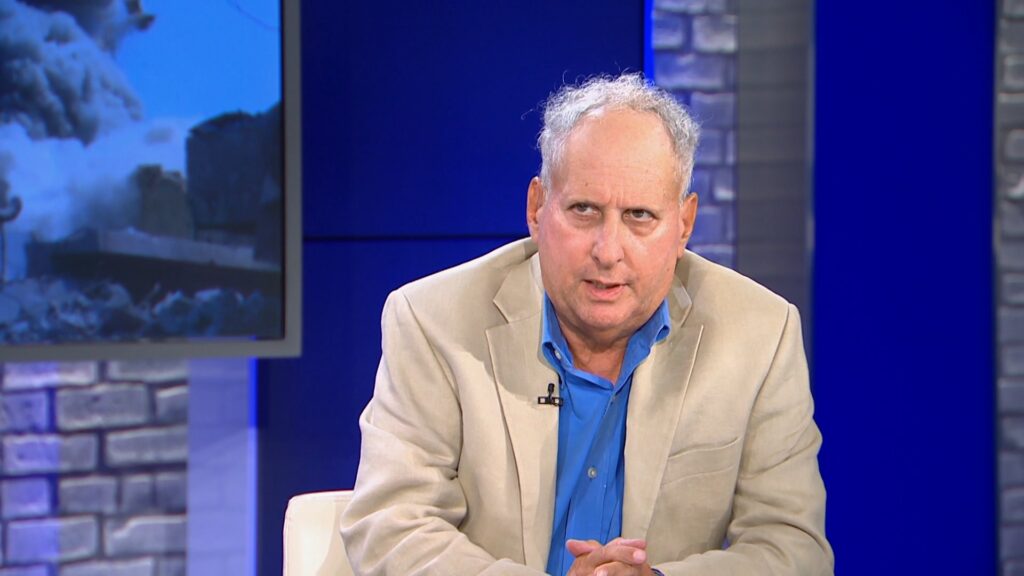
A recent analysis by a former US Congressional analyst underscores a critical strategic impasse between the United States and Iran. According to the expert, Washington has reached a ‘dead end’ in its engagement and policy approach toward Tehran, signaling profound challenges ahead for American foreign policy in the Middle East.
The analyst’s assessment highlights the increasing difficulty faced by the US in achieving its objectives with Iran through current diplomatic and strategic channels. Decades of tension, compounded by conflicting interests in the region, have brought both nations to a stalemate where conventional strategies appear ineffective.
This strategic dead end is characterized by persistent hostilities, stalled nuclear negotiations, and a lack of trust that hampers substantive dialogue. The former analyst notes that Washington’s attempts to isolate Iran economically and politically have failed to shift Tehran’s regional ambitions or nuclear policy significantly.
The implications of this impasse extend beyond US-Iran relations, affecting broader Middle Eastern stability. Iran remains a pivotal player in regional conflicts and proxy wars, further complicating the US’s role and influence in the area.
Experts suggest that this dead end calls for a reassessment of US strategy in Iran, potentially incorporating new diplomatic avenues or regional partnerships. Without innovative approaches, the US risks prolonged conflict and missed opportunities for peaceful resolution.
The analyst’s insights come amid ongoing debates within Washington about the future of US foreign policy in the Middle East, particularly regarding nuclear non-proliferation and counterterrorism efforts.
As the US grapples with this strategic dead end, the international community watches closely, aware that the trajectory of US-Iran relations will significantly impact global security and geopolitical dynamics for years to come.