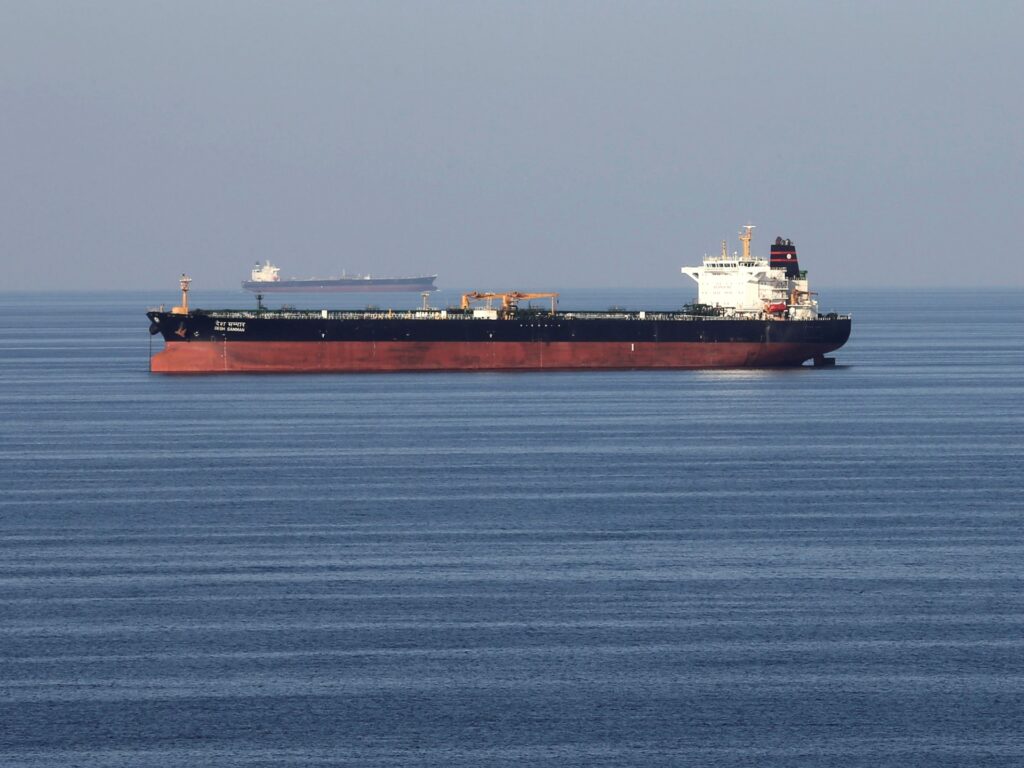
In a significant escalation in the ongoing tensions surrounding the strategic Strait of Hormuz, the United States has demanded that Iran publicly declare the waterway open to all commercial shipping traffic. The US government is reportedly pressing Tehran to issue a clear and unambiguous statement guaranteeing that Iran will not target or fire upon commercial vessels transiting the vital maritime chokepoint.
The Strait of Hormuz is a narrow passage between the Persian Gulf and the Gulf of Oman, through which a substantial portion of the world’s oil shipments pass, making it a critical artery for global energy supplies. Recent weeks have seen mounting friction between the US and Iran, raising concerns about the security of shipping lanes in this volatile region.
US officials argue that a public declaration from Iran is essential to reduce risks of miscalculation and inadvertent conflict in the waterway. By committing to keep the Strait of Hormuz open and safe for all commercial navigation, Iran would signal its intention to avoid further escalation and reassure international markets reliant on the steady flow of oil and goods.
The demand comes amid reports that the US is closely monitoring Iranian naval activity and has bolstered its own presence in the Gulf to safeguard the passage. The US Department of Defense has emphasized the importance of freedom of navigation and has warned that any hostile acts against commercial vessels could provoke a strong response.
Iran, on the other hand, has historically viewed control over the Strait as a strategic advantage and a means to exert leverage in its broader geopolitical disputes, especially with the US. Tehran has previously threatened to close the Strait in retaliation against foreign interference and sanctions. However, a public assurance could mark a strategic shift or an effort to de-escalate the crisis.
The international community is watching closely as diplomatic and military maneuvers unfold around the Strait of Hormuz, aware that disruptions in this narrow passageway could have far-reaching consequences for global energy markets and maritime security.
As the situation develops, analysts suggest that any breakthrough in communication between the US and Iran regarding the status of the Strait could stabilize the region temporarily, though deep-seated geopolitical tensions remain. The coming days and weeks are expected to be critical in determining whether the waterway remains open and peaceful or becomes a flashpoint for broader conflict in the Middle East.