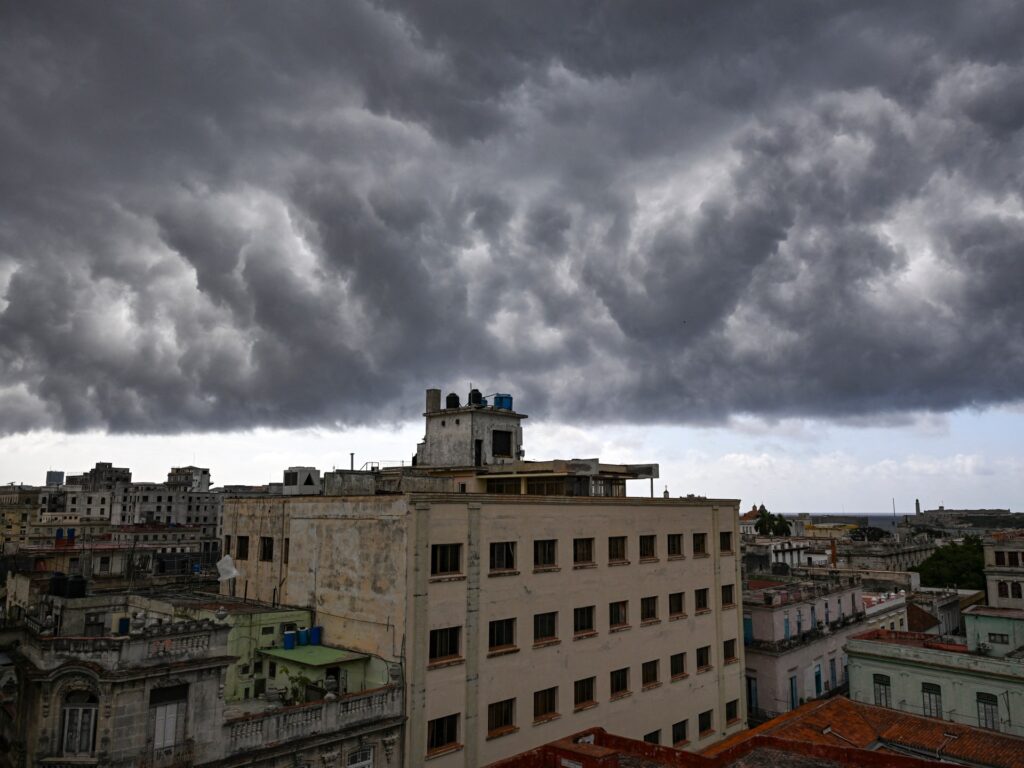
Cuba has experienced its second island-wide blackout within a week, a crisis largely attributed to ongoing U.S. sanctions and a de facto oil blockade imposed by former President Donald Trump. The Caribbean nation, already grappling with economic challenges, is facing severe strain on its power grid as fuel supplies dwindle.
The blackouts have affected millions of residents across the island, disrupting daily life, healthcare services, and critical infrastructure. Cuba’s power grid is heavily dependent on imported fuel to operate its electricity generation plants. With the blockade limiting fuel imports, power plants have been forced to reduce output or shut down temporarily.
The blockade, part of the Trump administration’s policy to increase pressure on the Cuban government, includes strict sanctions aimed at cutting off access to oil and fuel products from Venezuela and other sources. This has compounded Cuba’s existing energy challenges, leading to widespread power outages.
Cuban authorities have warned that prolonged shortages could result in more frequent and longer blackouts, exacerbating hardships for citizens. Hospitals have had to rely on backup generators, and industries have faced operational disruptions.
The situation has sparked international concern and calls for the easing of sanctions. Critics argue that the fuel blockade disproportionately harms ordinary Cubans, contributing to economic instability and social unrest.
While the United States government defends its sanctions as a means to pressure the Cuban regime on human rights and democratic reforms, many observers believe that humanitarian considerations should take precedence to avoid worsening the crisis.
In response, Cuba has sought alternative sources of fuel and increased efforts to repair and maintain its aging power infrastructure. However, without relief from the sanctions, these measures may not be sufficient to prevent future blackouts.
The second island-wide blackout highlights the fragility of Cuba’s energy system and the broader implications of geopolitical tensions on the everyday lives of people in the Caribbean. As diplomatic standoffs continue, residents of Cuba remain caught in the middle, facing uncertainty and mounting challenges to their energy security.