In recent developments, Iranian state media has reported that military headquarters in the southern Bushehr province and the city of Konarak were struck by attacks. These reports highlight a tense situation in the southern parts of the country, underscoring the vulnerabilities of strategic locations.
According to the Iranian sources, the attacks targeted important military sites, potentially aiming to disrupt defensive capabilities and inflict significant damage. The locations mentioned, especially Bushehr province, hold strategic military and energy significance, making any attack there a matter of national security.
However, the United States has denied any involvement in these alleged attacks. US officials have stated that they did not carry out operations against Iran in the affected areas, refuting claims implicating them in the strikes. This denial adds to the complexities of the regional tensions and raises questions about the true perpetrators behind the incidents.
The conflicting narratives between Iran and the US accentuate the fragile geopolitical landscape in the Middle East. Both countries have a history marked by mutual suspicion and confrontations, and events such as these could escalate tensions further.
The strategic location of Bushehr province, home to Iran’s only nuclear power plant, adds an additional layer of concern regarding security and regional stability. Any damage to infrastructure in this area could have far-reaching consequences, affecting not only Iran but also the broader region.
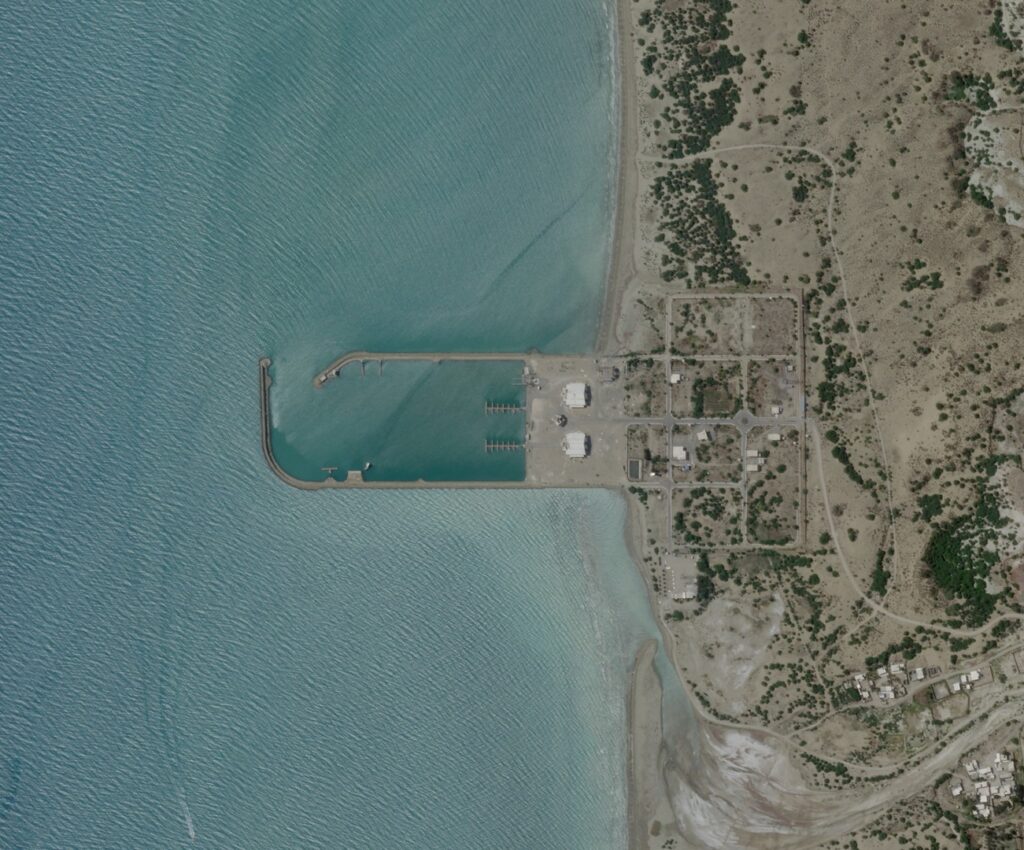
Konarak, a city near the strategic port of Chabahar, is also significant from a military standpoint. The reported strikes on military headquarters there suggest the attackers aimed to undermine Iran’s defensive capabilities in the area.
While Iran’s state media have been quick to report on the strikes, the details of the attacks, including the extent of damage and casualties, remain limited and somewhat unclear. Both sides have presented narratives that complicate the truth of the events.
International observers and regional analysts are closely monitoring the situation to discern the motivations and implications of these attacks. The denial by the US prompts speculation about other possible actors who might have carried out the strikes, including regional adversaries or non-state groups.
The incident highlights persistent instability in the region, where proxy conflicts, political rivalries, and military actions frequently flare up, influencing global oil markets and international diplomacy.
Efforts towards de-escalation and diplomatic engagement remain critical to prevent further deterioration of security. However, the mistrust between Iran and the US continues to be a major obstacle.
Global powers have urged restraint and dialogue to avoid a larger conflict that could disrupt peace and economic stability worldwide.
In summary, the reported strikes on southern Iranian military sites and the US denial of any responsibility form a complex chapter in ongoing Middle Eastern tensions. The situation warrants close attention as it unfolds, with the potential to impact regional alliances and international relations significantly.