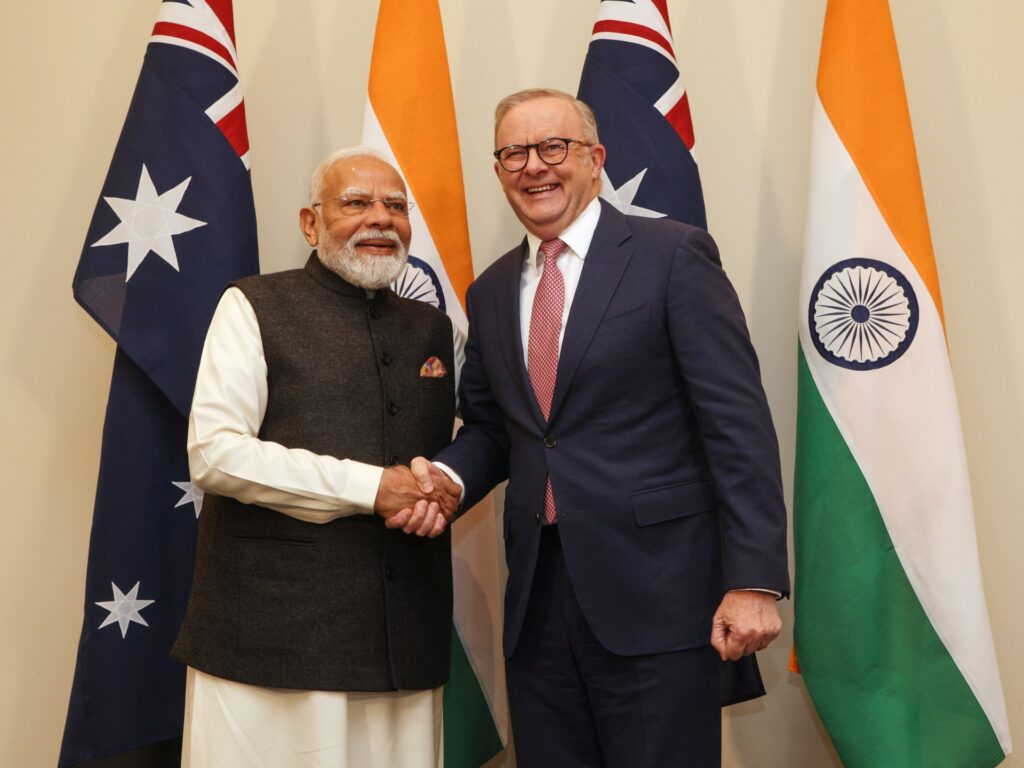
In a significant development that underscores the growing strategic partnership between Australia and India, the two countries have struck a deal on uranium exports. This agreement was finalized during Indian Prime Minister Narendra Modi’s recent visit to Australia.
The deal is a major step forward in India’s quest to enhance its nuclear energy capabilities. India has set an ambitious target of achieving 100 gigawatts of nuclear energy capacity by the year 2047 as part of its broader goal to transition to cleaner and more sustainable sources of energy.
Australia, which possesses some of the world’s largest uranium reserves, has been a long-standing potential supplier to India. However, various international safeguards and non-proliferation challenges had delayed formal trade agreements in this sector for many years.
With this new uranium export deal, India aims to secure steady supplies of uranium necessary for fueling its nuclear power plants. The expanded availability of uranium will help India in diversifying its energy portfolio, reducing dependence on fossil fuels, and meeting its climate goals.
During the visit, the leaders of both countries highlighted the mutual benefits of this partnership. For Australia, the deal represents an opportunity to strengthen economic ties with a rapidly growing market like India while contributing to global efforts to expand clean energy.
India’s Ministry of External Affairs noted that the uranium cooperation aligns with the country’s larger vision to become energy self-sufficient and tackle the challenges posed by climate change. The deal also opens avenues for increased collaboration in nuclear technology, research, and development.
Experts view this agreement as part of a broader strategic alignment between Australia and India, reflecting shared concerns about energy security, regional stability, and economic growth.
The uranium export pact is expected to contribute significantly to India’s nuclear power infrastructure development. By securing raw materials from Australia, India can accelerate the construction and operation of new nuclear reactors critical to its energy roadmap.
Furthermore, the deal underscores India’s evolving role in the global nuclear energy landscape. Once hindered by restrictions, India is now increasingly recognized as a responsible nuclear state with a robust regulatory framework and a commitment to peaceful use of nuclear technology.
Prime Minister Modi’s visit also included discussions on other bilateral matters, including trade, defense cooperation, and climate change initiatives, suggesting a multifaceted approach to strengthening ties between the two democracies.
This uranium export agreement comes at a time when the world is grappling with energy security challenges amid geopolitical tensions and the urgent need to reduce carbon emissions worldwide.
India’s target of 100 gigawatts of nuclear energy capacity by 2047 is a key pillar in its national strategy to meet burgeoning energy demand while minimizing environmental impact. The agreement with Australia will provide a reliable supply chain that is essential to accomplishing these goals.
The partnership is also poised to bolster industrial and technological cooperation, potentially fostering innovation in nuclear fuel cycles, waste management, and reactor technology.
In conclusion, the uranium export deal between Australia and India represents a landmark achievement in Indo-Australian relations, symbolizing a shared commitment to clean energy, strategic collaboration, and sustainable development over the coming decades.