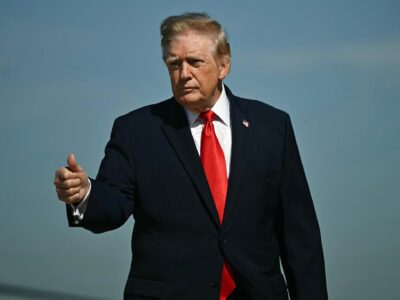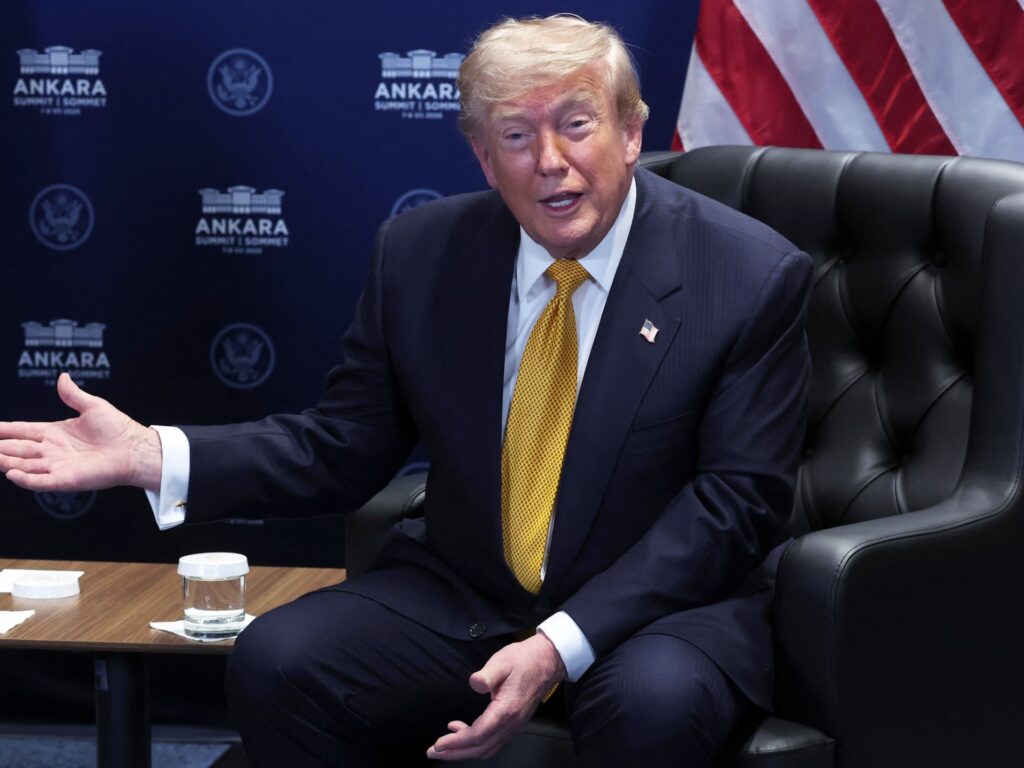
At the latest NATO summit, former US President Donald Trump made headlines by escalating tensions with Spain and Greenland. Trump criticized Spain as a “terrible partner” due to its stance and actions during the unfolding US-Israel conflict with Iran. This rhetoric marks a significant strain in the relationship between the two NATO allies, highlighting broader geopolitical frictions.
Trump’s condemnation of Spain centers around what he perceives as a lack of support or cooperation amid rising tensions with Iran following the US and Israel’s confrontational posture in the region. Accusing Spain of undermining US interests, Trump’s harsh words reveal a deep dissatisfaction that could impact future trade negotiations and military collaborations.
In a related, and somewhat surprising, demand, Trump called for the United States to assume control of Greenland during the summit discussions. Greenland, an autonomous territory of Denmark, has strategic importance due to its location and resource wealth. Trump’s suggestion echoes his previous interest in purchasing Greenland, which was met with strong rejection by Denmark and the Greenlandic government.
The US’s interest in Greenland is largely motivated by its strategic military location in the Arctic Circle and potential access to natural resources. Control over Greenland would offer the US enhanced surveillance and defense capabilities in the increasingly contested Arctic region amid global climate and security shifts.
Spain’s reaction to Trump’s comments has been firmly critical. Spanish officials have reiterated their commitment to NATO and maintaining strong transatlantic relations but have expressed disapproval of the confrontational tone used by Trump. Many analysts suggest that such rhetoric not only endangers diplomatic ties but could trigger economic repercussions, particularly in trade agreements between the US and Spain.
This incident at the NATO summit has exposed underlying tensions within the alliance, especially concerning the US’s approach to global partnerships and regional conflicts. The US’s aggressive posture may complicate coordination on broader security issues like the Iran situation and Arctic policies.
Experts caution that Trump’s disparaging remarks could undermine decades of cooperative defense efforts within NATO, as trust and mutual support are critical in facing emerging global threats. Spain, being a key European ally, plays an essential role in southern Europe’s security, and any strain in its relationship with the US could have wider implications.
Moreover, the demand to take over Greenland raises questions about sovereignty and the respect of national autonomy within allied nations. Denmark has underscored that Greenland’s status is a domestic matter, firmly rejecting any proposals of US takeover as unacceptable.
As the NATO alliance grapples with evolving geopolitical dynamics, the need for unity and clear communication among members is more important than ever. The incident highlights the challenges posed by individual leaders’ unilateral statements in multilateral forums.
Looking ahead, it remains to be seen how the US-Spain relationship will evolve following these developments. Trade talks and military collaborations may face hurdles, and the broader NATO strategy towards Iran and the Arctic could require adjustments to accommodate divergent national interests.
In conclusion, the recent confrontations initiated by Trump at the NATO summit have brought to light key challenges in transatlantic alliances. Spain’s rebuke and Greenland’s defense of sovereignty mark pivotal moments in ongoing debates over security, diplomacy, and strategic control in critical regions. The international community awaits further developments as the US navigates its foreign policy under renewed scrutiny and global pressure.