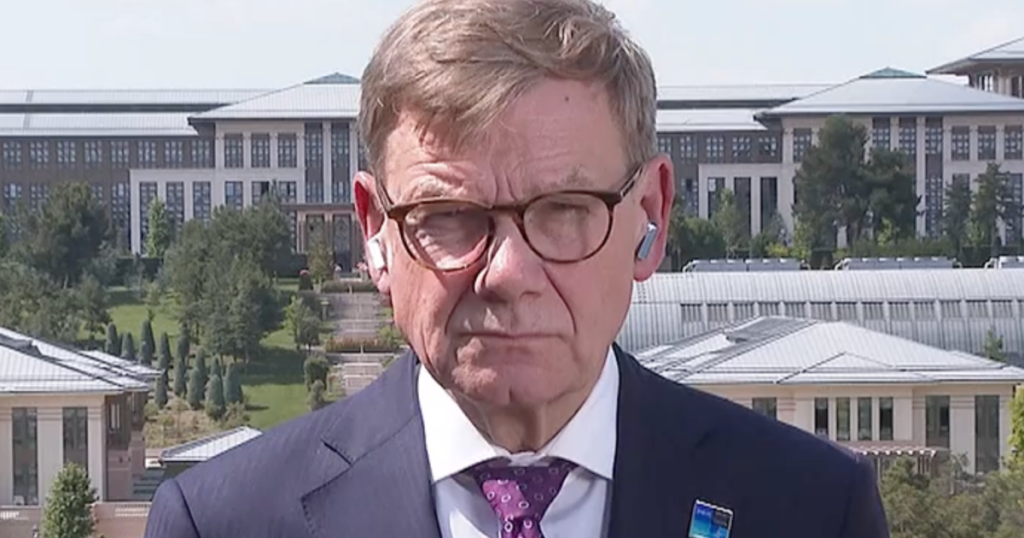
Germany has made a significant diplomatic move by urging the United States and Iran to resume negotiations amid heightened tensions in the Middle East. German Foreign Minister Johann Wadephul emphasized the importance of dialogue to resolve conflicts and stabilize the region.
In a statement released recently, Wadephul highlighted Germany’s commitment to peace and security, particularly concerning the critical Strait of Hormuz, a vital maritime corridor through which a significant portion of the world’s oil shipments pass. Acknowledging the strategic importance of this waterway, Germany has offered to assist in minesweeping operations to ensure safe navigation for international vessels.
The call for negotiations comes at a time when hostility between the US and Iran has escalated, raising global concerns over potential disruptions to oil supplies and regional security. Wadephul’s proposal reflects Germany’s proactive diplomacy aimed at de-escalating tensions and promoting stability in the area.
Germany’s offer to minesweep Hormuz is notable as it demonstrates a willingness to play an active role in addressing security challenges. Minesweeping, which involves clearing naval mines that pose threats to shipping routes, will help reduce the risk of accidents and confrontations in this sensitive maritime zone.
The German Foreign Minister’s appeal stresses that constructive dialogue between the US and Iran is essential to prevent further conflict and ensure peaceful coexistence. By encouraging both parties to come to the negotiation table, Germany hopes to contribute to a diplomatic solution that benefits not only the involved nations but also the wider global community.
Political analysts note that Germany’s initiative might influence other nations to adopt a more conciliatory stance, fostering an environment where compromise and mutual understanding can prevail. The initiative also aligns with Germany’s broader foreign policy goals of promoting international cooperation and conflict resolution.
Despite the promising nature of this plea, challenges remain. Past efforts to negotiate between the US and Iran have faced setbacks due to deep-rooted mistrust and complex geopolitical interests. Yet, Germany’s involvement could provide fresh impetus and facilitate confidence-building measures necessary for meaningful talks.
The international community has welcomed Germany’s proposal, viewing it as a timely and constructive contribution to peace efforts. If successful, this approach may not only stabilize the Strait of Hormuz but also open avenues for broader negotiations on regional security issues.
In conclusion, Germany’s call for renewed US-Iran negotiations alongside the offer to mineclear the Strait of Hormuz symbolizes a strategic push for peace and stability. It underscores the importance of international collaboration in resolving conflicts and safeguarding critical global trade routes. As tensions persist, Germany’s proactive stance offers a hopeful path toward de-escalation and dialogue.