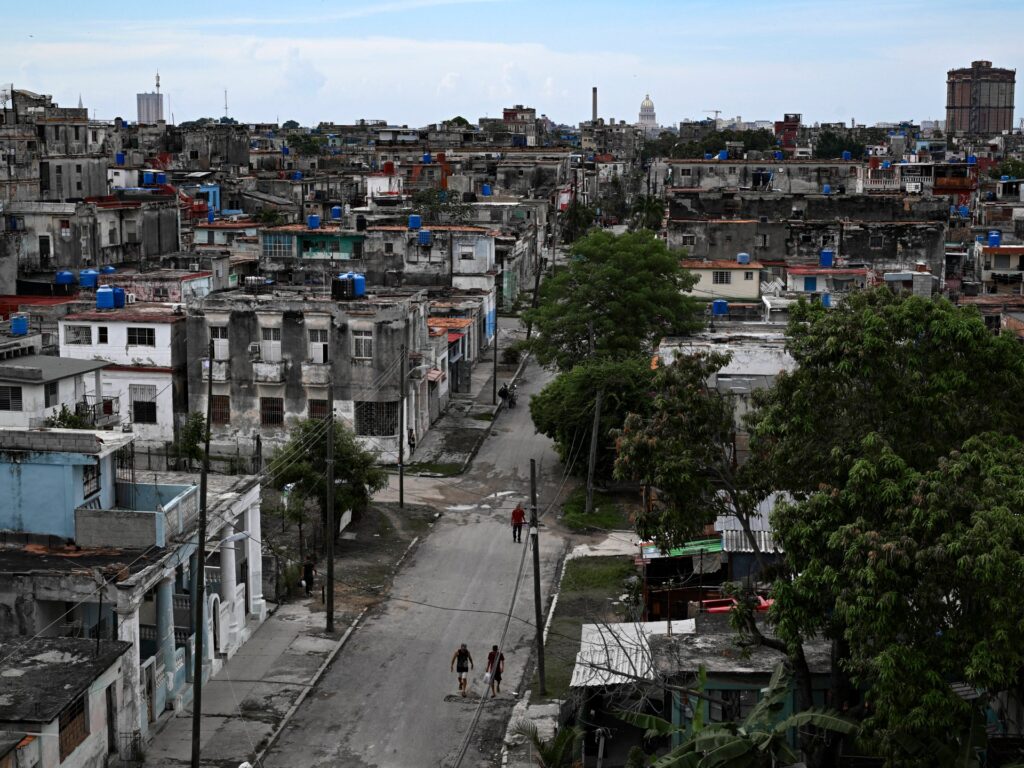
In a recent turn of events at the United Nations, Cuba has mobilized diplomatic support to condemn what it terms the ‘ruthless’ blockade imposed by the United States. This call for global backing highlights the persistent tensions and deteriorating relations between Washington and Havana, which have intensified in recent months.
The blockade, a longstanding embargo that dates back to the early 1960s, restricts Cuba’s access to international markets and financial systems, severely impacting its economy. Cuban officials argue that the U.S. measures are not only economically damaging but also violate international law and the principles of sovereignty.
During the UN session, Cuban representatives appealed to the international community to reject the blockade and called for increased solidarity in supporting their fight against these sanctions. They emphasized the human cost of the embargo, citing shortages of essential goods, medical supplies, and the stifling of economic development.
The United States, for its part, maintains that the embargo is a necessary response to Cuba’s political regime and its human rights record. Washington asserts that the sanctions aim to pressure the Cuban government to enact democratic reforms and improve civil liberties.
In recent months, diplomatic tensions have escalated, with both countries trading accusations over various issues, including political unrest in Cuba and alleged interference in domestic affairs. The U.S. has tightened certain restrictions, while Cuba has sought to break its isolation through strengthening ties with allies in Latin America, Europe, and beyond.
The Cuban government’s strategy at the UN appears focused on garnering maximum international condemnation of the U.S. blockade. They argue that the embargo is an anachronism, out of step with today’s geopolitical realities, and counterproductive to peace and cooperation in the region.
Supporters of Cuba in the UN include numerous developing nations and regional organizations that view the embargo as an illegal and unjust measure. These supporters often call for negotiations based on mutual respect and dialogue rather than sustained punitive actions.
Critics of the embargo highlight that such economic sanctions often fail to achieve political change and instead disproportionately harm ordinary citizens. Human rights organizations and some global leaders advocate for lifting the blockade to foster engagement and improve living conditions on the island.
The renewed emphasis on the US blockade at the United Nations underscores the continued complexity of Cuba-US relations—one marked by decades of mistrust, ideological differences, and competing geopolitical interests.
As the global community listens to Cuba’s appeals, the discussion touches on broader themes of sovereignty, human rights, and international law. Many observers suggest that resolution requires a balanced approach that considers both security concerns and humanitarian impacts.
The coming months may see further diplomatic maneuvering as Cuba pushes for a unified stance against the embargo, while the United States evaluates its policy amidst changing political landscapes both at home and internationally.
This debate is significant not only for Cuba and the United States but also for the wider international order, reflecting ongoing challenges in addressing conflicts that are deeply rooted in historical and ideological divides.
Ultimately, the outcome of this diplomatic push at the UN could shape the future of Cuban-American relations and influence regional stability, setting precedents for how economic sanctions are used in international diplomacy.