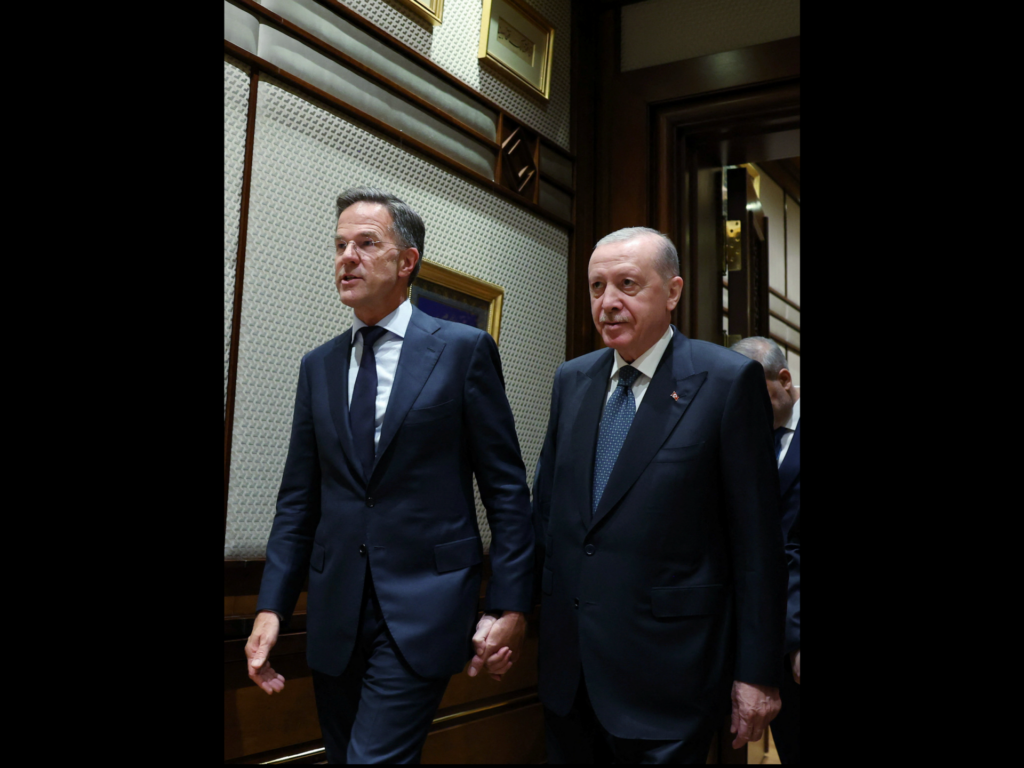
The NATO summit in Ankara is being described as one of the most high-stakes gatherings in recent history, bringing together member countries at a pivotal moment for the alliance and global security. Several key factors contribute to the significance of this summit, highlighting its potential to shape the future trajectory of NATO and international relations.
Foremost among the pressing issues is the ongoing conflict involving Russia and Ukraine, which has put NATO’s collective defense commitments and strategic coherence under intense pressure. The alliance faces the challenge of managing a united response while dealing with differing national interests and geopolitical concerns among members.
Turkey’s role as the host nation adds a unique dimension to the summit’s dynamics. Ankara has been balancing its relationships with both Western allies and Russia, complicating consensus-building within NATO. Turkey’s recent policies and diplomatic maneuvers have been pivotal in shaping the security landscape and influence NATO’s strategic priorities.
Additionally, the summit is expected to address the evolving nature of threats facing member states, such as cybersecurity challenges, hybrid warfare tactics, and emerging technologies that could alter the balance of power. Discussions are likely to focus on strengthening NATO’s defenses and resilience in these areas.
Furthermore, the summit presents an opportunity for NATO to reaffirm its commitment to collective defense under Article 5, especially in light of recent aggressions on alliance members and partners. The unity of the alliance in facing authoritarian advances and safeguarding democratic values is at stake.
Despite internal tensions and differing national agendas, the Ankara summit aims to project a unified front among NATO countries. It also seeks to enhance cooperation and strategic coordination to deter adversaries and address global security challenges effectively.
In summary, the stakes of the NATO Ankara summit are high due to the convergence of critical geopolitical conflicts, the complexities of member states’ relationships, and the need for cohesive strategies against multifaceted security threats. The outcomes of this summit could significantly influence the future stability and security framework of the Euro-Atlantic region and beyond.