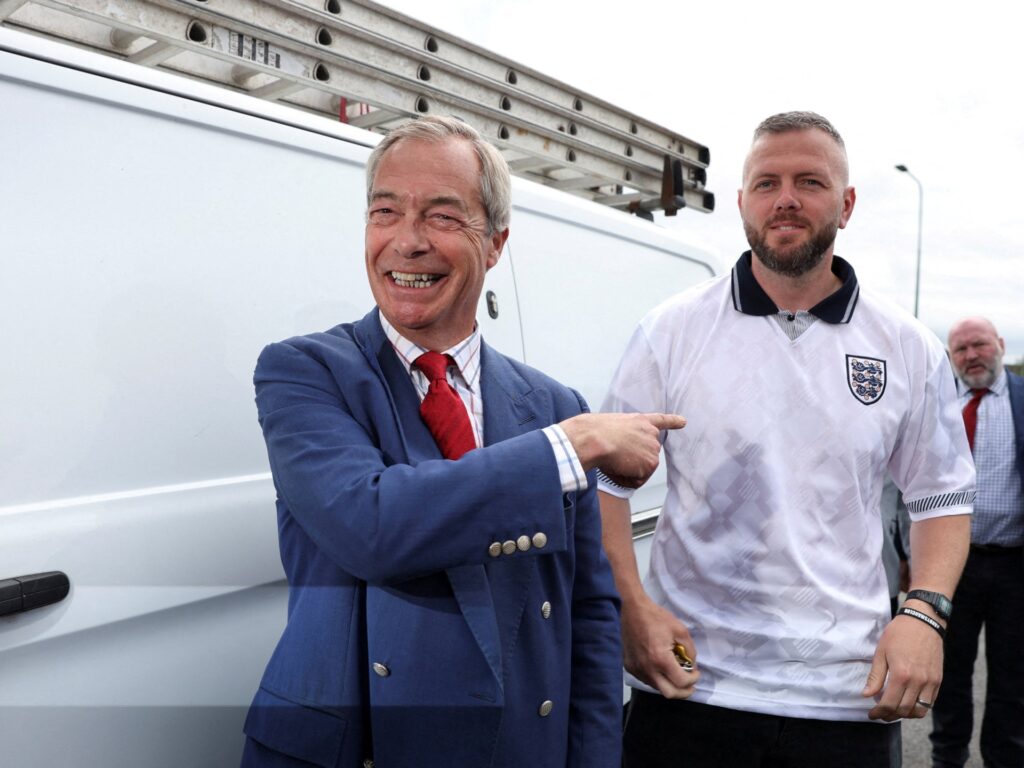
In the evolving landscape of UK politics, Nigel Farage, a prominent figure known for his populist and anti-establishment stance, faces fresh challenges to his public image due to revelations about his business dealings. Recent reports have brought to light Farage’s involvement in a gold investment deal, a move that has sparked debate and scrutiny amid growing political turbulence.
Farage, celebrated for his role in advocating Brexit and leading the UK Independence Party (UKIP), has long cultivated an image of a politician who stands apart from the traditional political elite. His rhetoric often emphasizes transparency, nationalism, and a rejection of establishment politics, resonating with a significant segment of the electorate dissatisfied with mainstream governance.
However, the disclosure of his gold deal has introduced a complex dynamic. Critics argue that such financial engagements might contradict his populist rhetoric, potentially undermining the authenticity that supporters admire. The deal’s nature, including details about its scale and his role, has prompted discussions about whether Farage’s outside earnings align with or diverge from his proclaimed values.
This controversy emerges as another far-right party, Restore Britain, gains momentum. Restore Britain positions itself as a fresh alternative in the nationalist sphere, challenging established figures like Farage by appealing to similar voter bases with promises of robust sovereignty and economic reform. The party’s rise signifies a shifting political environment where competition for populist and nationalist voters intensifies.
Farage’s predicament highlights the broader tension within populist movements between maintaining an outsider image and engaging in lucrative endeavors that may suggest insider status. His handling of the situation, including public statements and any strategic adjustments, will likely influence his credibility and future political viability.
The gold deal controversy also raises questions about the transparency and accountability of politicians who claim to represent the common citizen while managing substantial personal business interests. This juxtaposition provides fodder for opponents and fuels debates within the public sphere about the nature and limits of populist politics.
Meanwhile, as Restore Britain continues to attract attention, the electoral battleground in the UK may witness increasing fragmentation. Voters seeking nationalist representation now have more choices, potentially diluting the influence of long-standing figures like Farage and reshaping the political narrative.
In summary, Nigel Farage’s involvement in a gold investment deal tests the core of his populist brand amid rising competition from new far-right entities like Restore Britain. This development poses critical questions about the authenticity and future direction of populist politics in the UK, as well as the broader challenges faced by politicians balancing personal business interests with public service commitments.