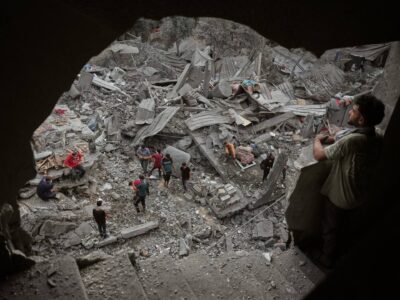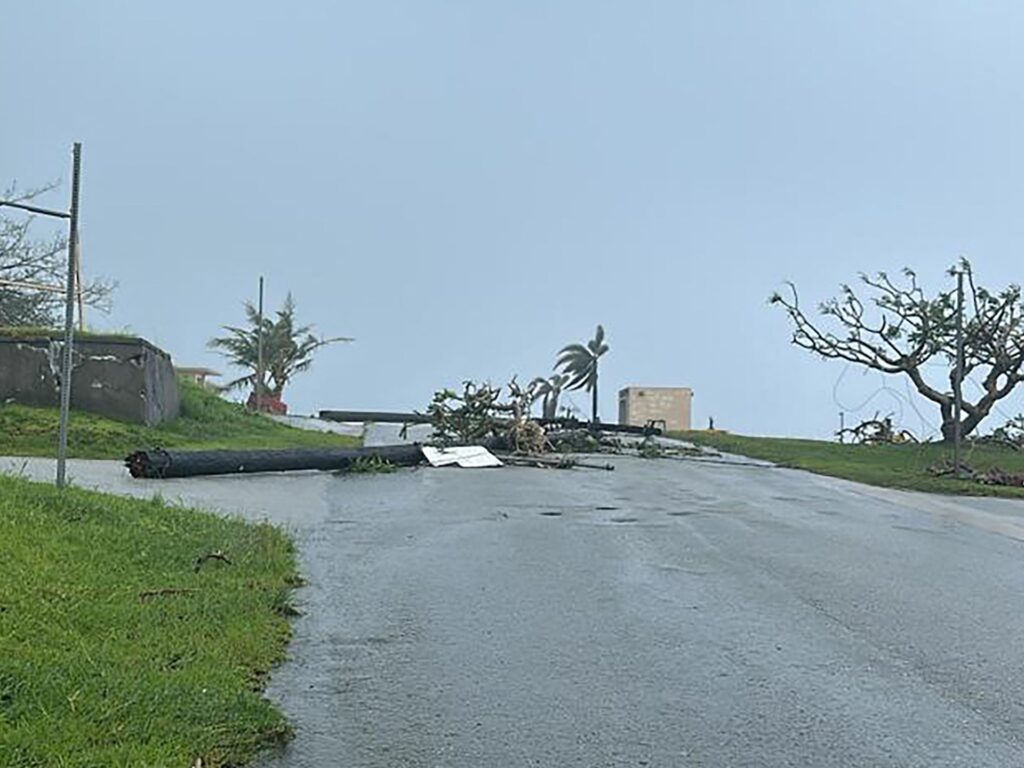
Super Typhoon Bavi has made landfall on the US Pacific islands, specifically hitting Rota in the Northern Mariana Islands. Local authorities report significant damage resulting from the storm’s impact. The typhoon brought intense winds and heavy rainfall, leading to widespread destruction in the area.
The Northern Mariana Islands, a common target for Pacific typhoons, brace themselves annually for severe weather; however, Super Typhoon Bavi stands out due to its immense strength and speed. Emergency services on Rota have been mobilized to assess and respond to the damages caused.
Residents described experiencing the full force of nature as the typhoon swept through, damaging homes, infrastructure, and power lines. Authorities warn the full extent of the damage is still being evaluated as communication with some parts of the island remains disrupted.
The local government has urged residents to stay indoors and follow emergency protocols to ensure safety. Shelters have been opened to accommodate those who lost their homes or need a safe place during the storm.
The US federal government is monitoring the situation closely and stands ready to provide assistance if requested by the Northern Mariana Islands’ government. Relief efforts are expected to focus on restoring power, clearing debris, and providing basic supplies such as food and water to affected communities.
This typhoon comes at a time when Pacific nations are increasingly vulnerable to extreme weather events linked to climate change. Officials emphasize the importance of preparedness and resilience in the face of such natural disasters.
Efforts are underway to gather detailed information on the damages and begin recovery operations. Aid organizations are coordinating with local authorities to ensure aid reaches all those in need as quickly as possible.
Super Typhoon Bavi’s impact highlights the challenging weather conditions faced by island communities in the Pacific, urging a renewed commitment to disaster readiness and response strategies.