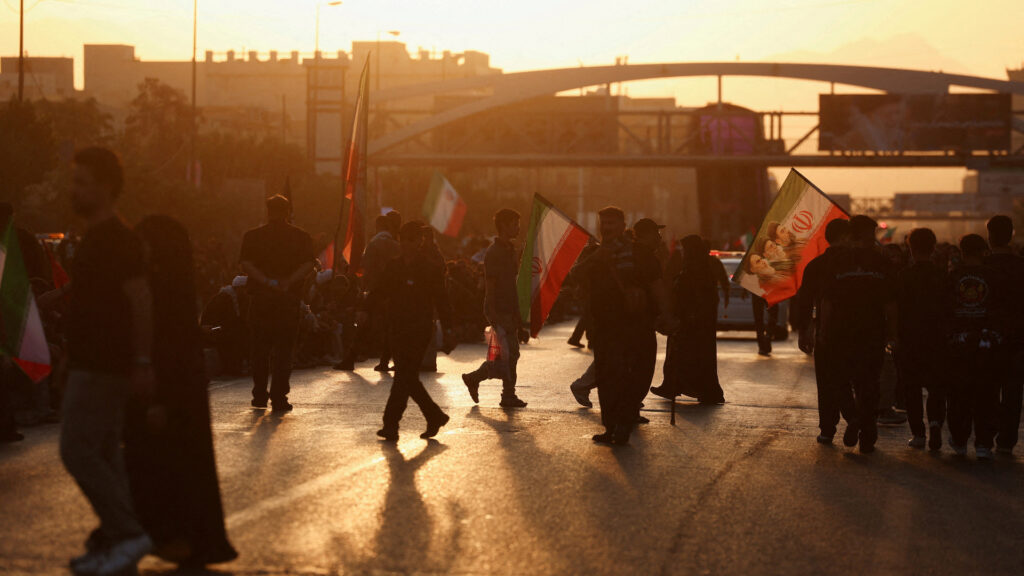
Several social media influencers have reportedly traveled to Iran to attend the state funeral of Supreme Leader Ali Khamenei. These influencers have expressed feeling “honoured” to be part of such a significant national event. The funeral marks a pivotal moment in Iran, drawing attention not only from political figures and the public but also from prominent digital personalities who use their platforms to share insights and coverage from the event.
The presence of influencers at the funeral highlights a growing trend where social media figures participate in major political and cultural events, bridging traditional state ceremonies with contemporary digital audiences. Their attendance suggests an intent to provide their followers with a closer look at Iranian national rituals and the country’s political climate.
Khamenei’s death and subsequent state funeral represent a momentous transition for Iran, marking the end of an era under his leadership. As Supreme Leader, Khamenei was a central figure in Iranian politics, and his passing has sparked widespread public and political reaction.
The participation of influencers could play a key role in shaping public perception and discourse around the event, both within Iran and internationally. By sharing live updates, personal reflections, and behind-the-scenes glimpses, they bring a new dimension to how such state occasions are communicated.
While the traditional media covers the official narratives, influencers often provide a more personal and diverse perspective, engaging younger and global audiences who may not follow conventional news outlets as closely. This dynamic may contribute to a broader understanding of the funeral and its significance.
In attending the funeral, influencers also demonstrate the interplay between politics and social media in contemporary society. Their role reflects how online platforms increasingly intersect with real-world events, highlighting the importance of digital presence in shaping political and cultural narratives.
Overall, the influencers’ expressed honor underscores the importance of the funeral as a major historical and cultural event. Their involvement in covering the funeral ceremonies serves as a testament to the evolving nature of public engagement in state matters, where digital voices join traditional forums to document and interpret significant moments in history.