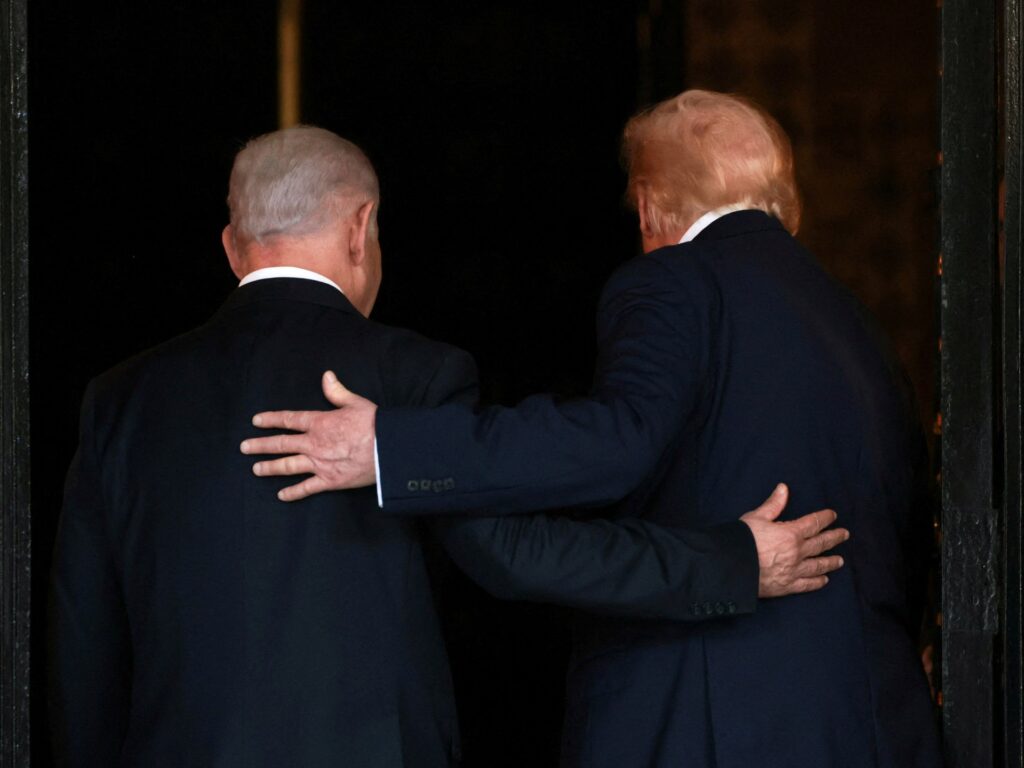
The longstanding relationship between the United States and Israel has often been described as special, grounded in shared democratic values, strategic interests, and substantial political support on both sides. However, recent developments have prompted discussions and speculations about whether this unique alliance is undergoing a fundamental shift, potentially signaling a distancing or a reevaluation of priorities by the US towards Israel.
Historically, the US has been Israel’s closest ally, providing significant military aid, diplomatic backing at international forums, and cooperation on intelligence and technology. This alliance has been shaped over decades by common security concerns, cultural ties, and a powerful pro-Israel constituency within the US political landscape.
In recent times, tensions have risen due to various factors. Policy disagreements, such as those surrounding the Israeli-Palestinian conflict and settlement activities, have occasionally strained the relationship. The US under different administrations has had varying approaches to Middle East policy, sometimes leading to conflicting signals.
Another element contributing to speculation is the evolving geopolitical landscape, including US strategic interests pivoting towards other global challenges and regions. The rise of other alliances and partnerships, including those with Arab states following normalization agreements with Israel, creates a more complex web of relations that could influence US policy.
Furthermore, domestic political changes in both countries impact bilateral ties. Shifting leadership and public opinion in the US, alongside political dynamics within Israel, play significant roles in shaping foreign policy directions.
Despite these challenges, it is crucial to recognize that the core interests binding the US and Israel remain strong. Both countries continue to collaborate extensively on security, intelligence, and technological innovation. Congressional support for Israel remains robust, and strategic cooperation is unlikely to dissolve abruptly.
In essence, while there may be moments of friction and recalibration, the notion that the US is preparing to completely “drop” Israel does not align with the current geopolitical realities and mutual interests. The relationship is complex and evolving, but enduring. Analysts suggest that rather than an abandonment, what is occurring is a nuanced adjustment reflecting new global challenges and domestic considerations.
In conclusion, the US-Israel relationship, characterized by deep strategic partnership and shared values, is facing tests and changes but is far from being terminated. Observers should consider the multifaceted nature of the alliance, recognizing that international relations are dynamic and adaptive rather than fixed and absolute. The foundation of cooperation remains strong, even if its expressions and emphases shift over time.