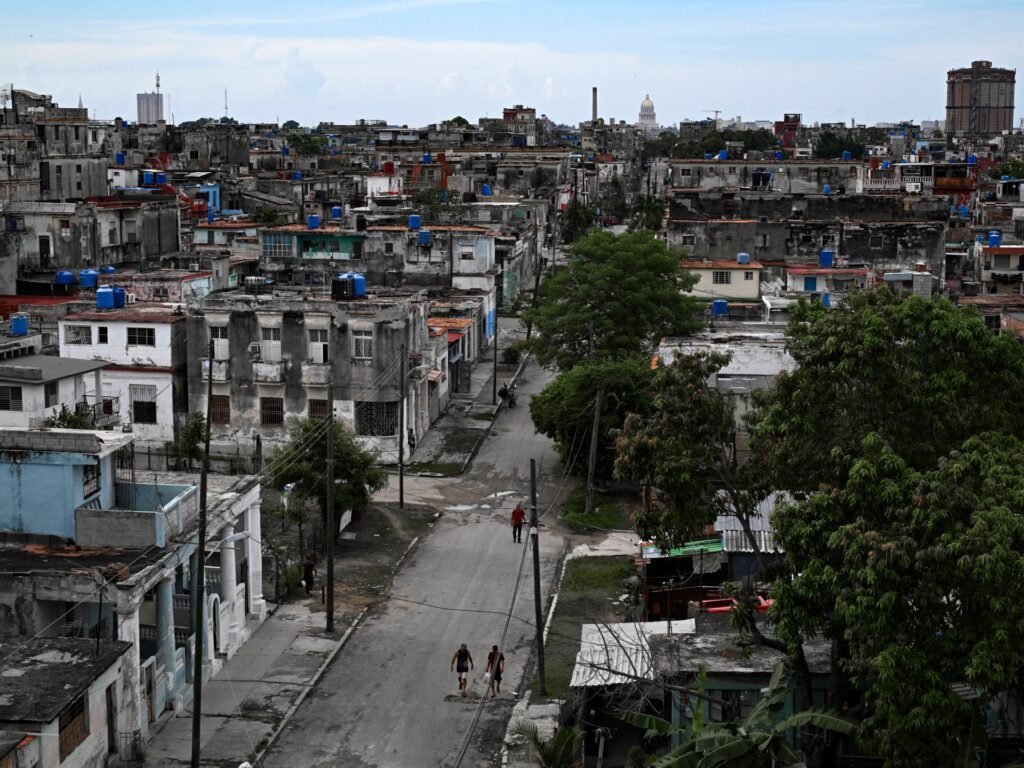
Cuba has been hit by a nationwide power blackout for the third time in the past six months, further exacerbating an already dire situation in the island nation. The repeated blackouts have plunged homes, hospitals, businesses, and public infrastructure into darkness, severely impacting daily life and vital services.
The power outages come at a time when the Cuban population is grappling with a severe economic and humanitarian crisis. This crisis is largely attributed to the long-standing US blockade, which has restricted the flow of goods, fuel, and medical supplies into the country. The blockade has had far-reaching effects on the economy, limiting growth and access to essential resources for the Cuban people.
The current blackout has sparked widespread frustration and concern. Citizens have reported disruptions to basic services such as healthcare, where electricity is critical for operating medical equipment and preserving medications. Schools and businesses are also facing interruptions, affecting education and livelihoods across the country.
Experts point to a combination of factors contributing to the ongoing instability of Cuba’s power grid. Aging infrastructure, lack of maintenance due to financial constraints, and fuel shortages have all compounded the challenges faced by the national electric utility.
The Cuban government has acknowledged the crisis and the impact of the US blockade but has also emphasized its commitment to restoring power and improving infrastructure. Efforts are reportedly underway to repair and upgrade key facilities, though resource limitations remain a significant hurdle.
In addition to energy difficulties, the blockade has intensified shortages in food, medicine, and other essential commodities, worsening living conditions for many Cuban families. International humanitarian groups have repeatedly called for the easing of sanctions to allow for greater relief and aid access.
The repetitive power failures underscore the vulnerability of Cuba’s economy and infrastructure under the strain of external pressures and internal challenges. For many Cubans, these blackouts symbolize the broader hardships they face daily.
Looking ahead, the situation calls for urgent measures to stabilize the power supply and address the root causes of the crisis. This includes potential negotiations to alleviate trade restrictions, increased international support, and a focus on sustainable development within Cuba itself.
As Cuba confronts these multifaceted difficulties, the global community continues to watch, hoping for resolutions that will restore stability and improve the quality of life for the Cuban people.