The Saudi-led coalition has vowed to deploy unprecedented military force in response to escalating threats from the Houthi movement in Yemen. This declaration follows a significant surge in Houthi activities, including the recent blockade of Saudi warplanes and the unprecedented landing of an Iranian plane in Sanaa, marking the first occurrence of its kind in a decade.
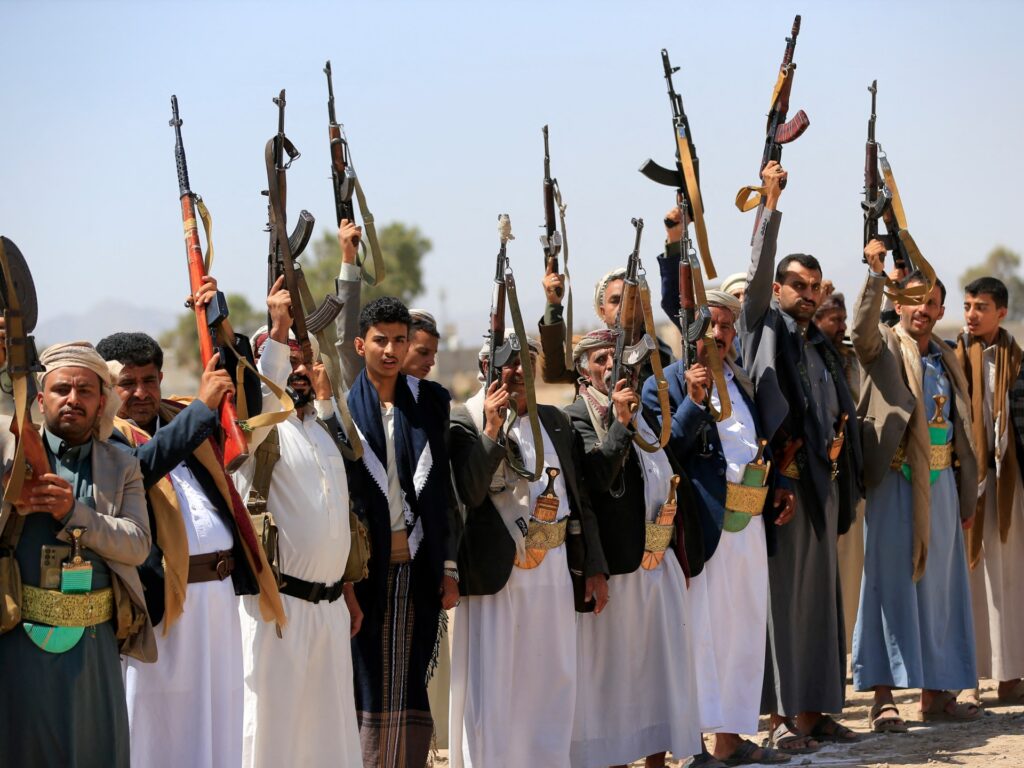
The escalation signals a worrying intensification of the conflict in Yemen, where the Houthis, a Zaidi Shia rebel group backed by Iran, continue to challenge the legitimacy of the internationally recognized Yemeni government supported by Saudi Arabia and its allies. The Houthis’ bold move to block Saudi warplanes and facilitate the landing of an Iranian aircraft has raised alarms in the region and internationally, highlighting the deepening proxy conflict between Saudi Arabia and Iran.
Saudi Arabia’s coalition forces, comprising mainly Arab countries, have been engaged in a prolonged military campaign to expel the Houthis from occupied territories and restore the government. The coalition’s recent commitment to leveling a stronger military response points to a strategic shift aimed at deterring further Houthi provocations.
The Iranian plane’s landing at Sanaa’s airport, controlled by the Houthis, is significant as it indicates increased logistical and military support from Tehran to the rebels. This event might further complicate the already volatile situation, potentially enabling the Houthis to enhance their military capabilities with direct Iranian assistance.
In reaction to these developments, the Saudi-led coalition has promised a “swift and decisive” military response that could involve intensified airstrikes, enhanced ground operations, and strategic targeting of Houthi supply lines and leadership. The coalition’s statement underscores a resolve to prevent the Houthis from using Yemeni soil as a launchpad for attacks on neighboring countries.
International observers have expressed concern over the possibility of an escalation leading to a broader regional conflict. The Yemen war, often described as a proxy battleground between Saudi Arabia and Iran, has caused massive humanitarian suffering, with thousands killed and millions displaced.
The coalition’s stance comes amid ongoing international efforts to broker a ceasefire and negotiate a political settlement to end the war. However, the recent actions by the Houthis and their Iranian backers have cast doubt on the feasibility of an immediate diplomatic resolution.
Analysts suggest that the Saudi-led coalition’s heavy-handed approach might aim to pressure Iran and the Houthis into reconsidering their strategies. However, this could also entrench the conflict, resulting in more violence and instability in the region.
The international community continues to call for restraint and dialogue, emphasizing the urgent need to address the humanitarian crisis that has exacerbated due to years of conflict. Meanwhile, the Saudi-led coalition remains firm in its commitment to thwart Houthi threats and secure regional peace and security.
As tensions mount, the coming weeks will be critical in determining whether military force will dominate the response or whether diplomatic efforts can gain traction. The implications of these developments are profound for security in the Gulf region and beyond, highlighting the complex interplay of local and international forces in Yemen’s protracted conflict.