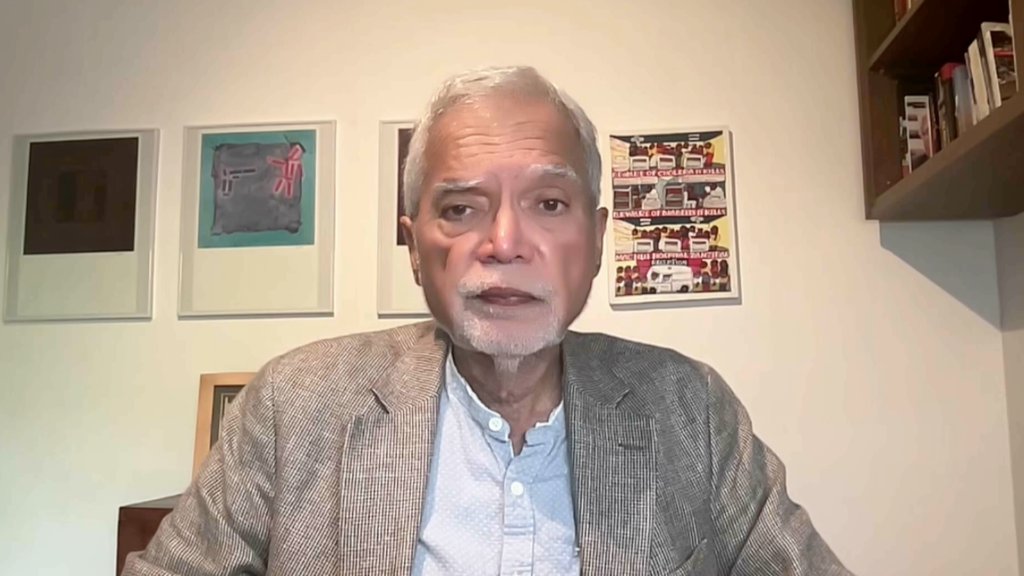
Mukesh Kapila, the former United Nations Humanitarian Coordinator for Sudan, has issued a stark warning about the escalating humanitarian crisis in El Obeid. According to Kapila, the situation in El Obeid has the potential to be more severe than the crisis that unfolded in El Fasher, a key city in Sudan that has endured intense conflict and suffering over recent years.
El Obeid, the capital of North Kordofan state, has been facing increasing instability and humanitarian challenges. Mukesh Kapila’s warning draws attention to the urgent need for international aid and intervention as conditions deteriorate. He emphasized the complexity of the crisis, which involves displacement, food insecurity, and violence affecting thousands of civilians.
The El Fasher crisis, widely covered in international media, saw significant displacement, clashes between armed groups, and widespread human rights abuses. Kapila’s comparison suggests that El Obeid might experience even more profound impacts if the situation is not addressed promptly.
Experts note that the precarious security situation, combined with limited access for humanitarian agencies, complicates relief efforts in El Obeid. Kapila highlighted that without coordinated global action, the risks of famine, disease, and further displacement could escalate dramatically.
The former UN official’s concerns also bring to light the broader challenges facing Sudan, including political instability, ethnic tensions, and economic hardships. These factors contribute to the fragility of regions like El Obeid, making humanitarian responses all the more critical.
International organizations and governments have been urged to prioritize aid delivery, protect vulnerable populations, and support peace-building initiatives in the area. Kapila’s warning serves as a call to action to prevent El Obeid from descending into a humanitarian disaster of unprecedented scale.
As the crisis unfolds, monitoring by global humanitarian agencies continues, with efforts focused on assessing needs and mobilizing resources. Kapila’s insights provide a sobering reminder of the urgency required to mitigate suffering and promote stability in Sudan’s troubled regions.
The situation in El Obeid is a poignant example of the challenges faced by conflict-affected populations in Sudan. It underscores the importance of sustained international commitment to peace and humanitarian assistance to safeguard the lives and dignity of millions at risk.
Mukesh Kapila’s warning should galvanize the international community to act swiftly and decisively, ensuring that El Obeid does not become a forgotten tragedy overshadowed by past crises but instead receives the attention and support it desperately needs.