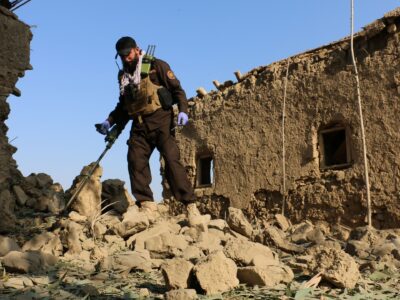
In the aftermath of a powerful 7.4 magnitude earthquake that struck near Cali, Colombia, families are growing increasingly frustrated and desperate for news about their loved ones buried beneath the rubble. The quake, which occurred on Monday, caused widespread devastation, collapsing buildings and infrastructure, with many people still unaccounted for.
Rescue efforts have been underway since immediately after the tremor, but the recovery process has been sluggish, leading to public anger. Families gathered at various sites of collapsed structures, pleading with authorities and rescue teams for faster and more coordinated search operations.
The scale of the disaster has overwhelmed local rescue teams, who are struggling with limited equipment and resources. The mountainous terrain and unstable conditions further complicate the search and rescue missions, causing delays in reaching certain areas.
Many relatives have expressed concerns that bureaucratic inefficiencies and lack of clear communication are hindering the response efforts. They demand transparency and more frequent updates from officials regarding ongoing search operations.
Authorities have assured the public that all efforts are being made to locate survivors and retrieve bodies. Specialized national and international search and rescue units have been mobilized.
Mental health professionals have warned about the emotional toll on families waiting anxiously under harsh conditions, advocating for psychological support services alongside rescue operations.
The Colombian government has declared a state of emergency in the affected regions and is working to allocate additional resources to accelerate rescue and recovery.
Community members have come together to aid efforts by providing food, water, and shelter to displaced families while volunteering in search activities.
As the hours and days pass, hope remains fragile but persistent among families praying for the safe return of their loved ones.
The earthquake has also sparked discussions on improving disaster preparedness and response frameworks in Colombia to avoid such delays and confusion in future emergencies.
In summary, the 7.4 magnitude earthquake near Cali has caused significant destruction, leaving many missing and families desperate for answers. The slow pace of search efforts has incited public anger, prompting calls for faster, more transparent rescue operations backed by adequate resources and support services. The government and communities continue working together amid the crisis in hopes of saving lives and bringing closure to those affected.