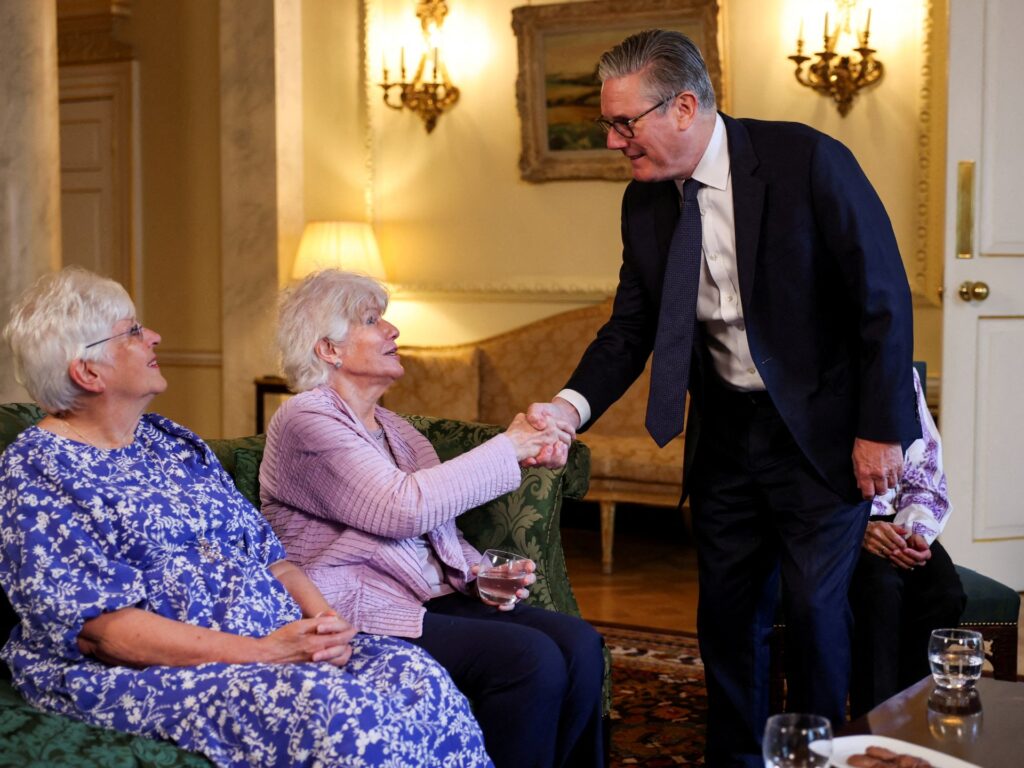
UK Prime Minister Keir Starmer has publicly apologized for the state’s involvement in the systematic forced adoptions that took place between 1949 and 1976. This historic apology marks a significant acknowledgment of the suffering endured by thousands of mothers and children who were separated under policies managed by the UK government and supported by Christian churches.
During this period, some 185,000 babies were forcibly taken from their biological mothers and placed for adoption. The practice was widespread and often carried out without the consent of the mothers, many of whom were young, unmarried, and faced significant social stigma. The involvement of Christian churches in supporting and overseeing these adoption practices added a complex layer to the institutional responsibility.
The forced adoption system was rooted in the moral and social attitudes of the mid-20th century, when unmarried mothers were often ostracized and pressured to give up their children. The policy was aimed at what was then perceived as “protecting” the child and assisting the mother, but in reality, it resulted in profound trauma for families affected by these practices.
Keir Starmer’s apology goes beyond words; it reflects a commitment to recognize the harm done and to address the legacy of this dark chapter. He acknowledged the state’s role in these policies and called for ongoing support for survivors and their families. This includes access to information about their origins, counseling services, and potentially compensation.
The apology was welcomed by advocacy groups and survivors’ networks who have campaigned for decades to have these injustices formally recognized. Survivors have shared stories of long-lasting psychological impact, loss of identity, and family separation. Many have called for greater transparency and justice, seeking to prevent such violations from happening again.
Christian churches involved in the adoption processes have also voiced their remorse and emphasized the need for reconciliation and healing. They have committed to cooperating fully with any investigations and supporting initiatives aimed at remedying the damage caused.
The UK’s recognition of its past practices aligns with a broader international awareness of forced adoption issues. Similar investigations and apologies have occurred in other countries, reflecting a global movement toward addressing human rights violations related to adoption policies.
The government’s announcement is expected to lead to further legislative and social measures. These may include formal inquiries, archival access reforms, and enhanced support systems for affected individuals. The focus remains on ensuring that survivors and their children can find answers and some measure of peace.
This public acknowledgment by the UK government is a crucial step toward healing and justice. It serves as a reminder of the importance of safeguarding human rights, promoting transparency in public policies, and learning from past mistakes to build a more compassionate and just society for all.
The long-term impact of this apology will depend on sustained efforts to support survivors and reform adoption practices. By confronting this painful history, the UK sets a precedent that may inspire other nations to examine their own histories and pursue truth and reconciliation.
In essence, the apology is not only about acknowledging the past but also about committing to a future where such violations do not occur. It is a powerful message that the voices of survivors are heard, valued, and respected in shaping public policy and societal norms moving forward.