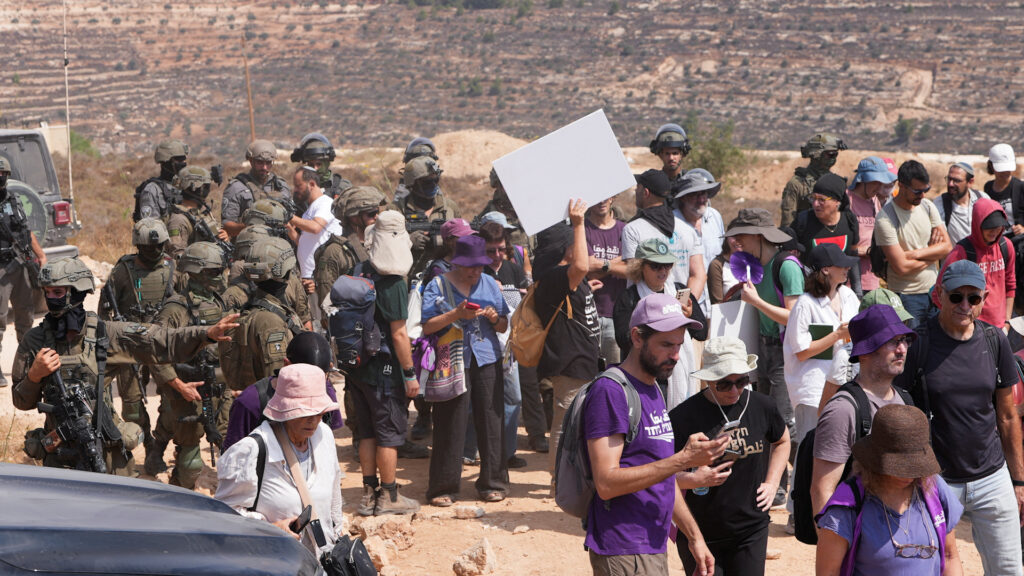
In a recent development, Israeli soldiers have been reported to prevent the delivery of humanitarian aid to Palestinians who are currently besieged. The blockade and restrictions have significantly hampered the flow of essential supplies into Palestinian territories. Aid agencies and international organizations have expressed deep concern over the growing humanitarian crisis, warning that the obstruction of aid distribution exacerbates the suffering of civilians caught in the conflict.
The Israeli military’s actions to block aid convoys have led to widespread condemnation from human rights groups, who argue that such measures violate international humanitarian laws. Palestinians living under siege face shortages of food, medical supplies, clean water, and other critical necessities, creating a dire situation that threatens public health and safety.
International bodies have called for immediate access to the affected areas to ensure aid reaches those in need. Despite appeals, the restrictions remain largely in place, prolonging the hardships faced by Palestinian communities.
The conflict’s escalation has further complicated relief efforts, with security concerns cited by Israeli forces as reasons for the blockade. However, critics argue that the denial of aid compounds the crisis and underscores the urgent need for a political solution that prioritizes the welfare and rights of civilians.
Humanitarian organizations continue to push for corridors of safe passage to allow the delivery of vital aid. Meanwhile, Palestinians remain resilient in the face of adversity, seeking international solidarity and support.
This ongoing situation highlights the complex and volatile nature of the Israeli-Palestinian conflict, where humanitarian considerations often intersect with security and political challenges. The international community’s role in mediating access and addressing the root causes of the conflict remains crucial to alleviating the suffering and restoring hope to the besieged Palestinian population.