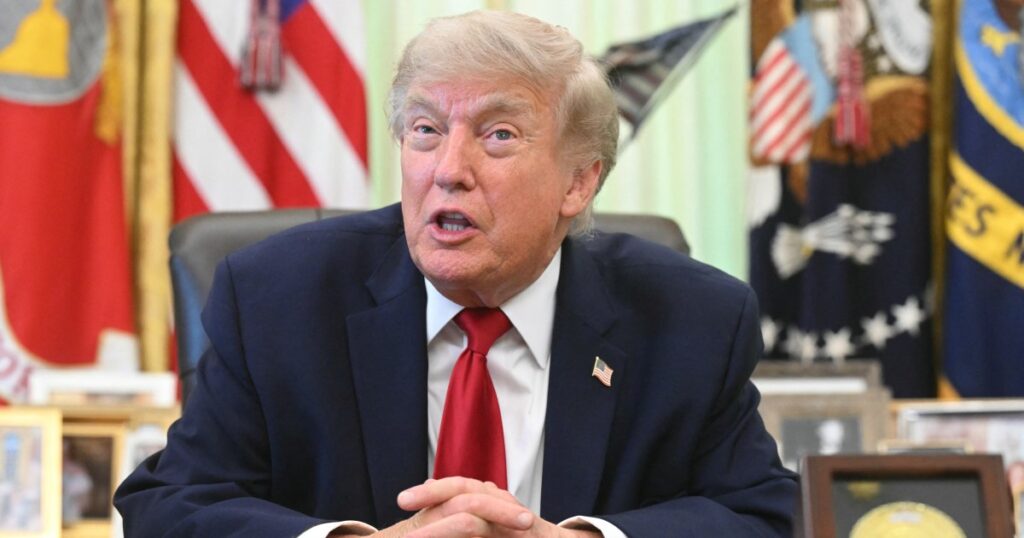
The United States Supreme Court recently delivered a landmark ruling by upholding birthright citizenship, striking down former President Donald Trump’s executive order aimed at abolishing this constitutional right. This decision has significant implications socially, legally, and politically, sparking widespread debate about who benefits from the ruling and who faces challenges as a result.
**Background:**
Birthright citizenship refers to the right of any person born on U.S. soil to automatically receive American citizenship, as guaranteed by the 14th Amendment of the U.S. Constitution. This principle has been a cornerstone of American immigration law and identity for over a century.
**The Executive Order and Legal Challenge:**
Former President Trump sought to eliminate birthright citizenship through an executive order, intending to restrict automatic citizenship to children born to U.S. citizen parents or those with lawful permanent residency. The order was immediately met with legal challenges and widespread criticism for its potential to create stateless persons and undermine constitutional protections.
**Supreme Court Decision:**
The Supreme Court ruled against the executive order, affirming the 14th Amendment’s guarantee. The court recognized that birthright citizenship is a constitutional right that cannot be overridden by executive action, reinforcing the principle that citizenship is granted by law, not by administrative decree.
**Who Wins:**
1. **Immigrants and their families:** The ruling protects millions of children born in the U.S. to immigrant parents, ensuring their automatic citizenship and associated rights.
2. **Civil rights and immigrant advocacy groups:** These organizations see the ruling as a vindication of human rights and constitutional law.
3. **Legal experts and constitutional scholars:** The decision reaffirms the importance of constitutional guarantees over executive overreach.
4. **Communities reliant on birthright citizenship:** This ruling provides social and economic stability for communities with large immigrant populations.
**Who Loses:**
1. **Supporters of stricter immigration controls:** Those favoring limitation or repeal of birthright citizenship view the decision as a setback to curbing illegal immigration.
2. **Former President Trump and his allies:** Despite pledges to challenge the ruling, this judicial rebuke represents a significant blow to their immigration policy agenda.
3. **Certain political factions:** These groups may perceive the ruling as undermining national sovereignty and control over citizenship rules.
**Potential Future Developments:**
President Trump and his supporters have vowed to continue legal challenges, possibly seeking legislative changes through Congress or future court cases. The ruling may also prompt renewed discussions on immigration reform and pathways to citizenship.
**Social and Political Impact:**
The decision has ignited a national conversation about identity, belonging, and the scope of constitutional rights in the immigration context. It emphasizes the judiciary’s role in upholding constitutional protections against executive actions and highlights the ongoing tensions around immigration policy in the U.S.
In conclusion, the Supreme Court’s ruling on birthright citizenship not only preserves a fundamental constitutional right but also outlines the complex dynamics of immigration politics in America. While it offers protection and reassurance to many immigrant families, it also challenges policymakers and political leaders who seek to alter the longstanding legal framework governing citizenship.