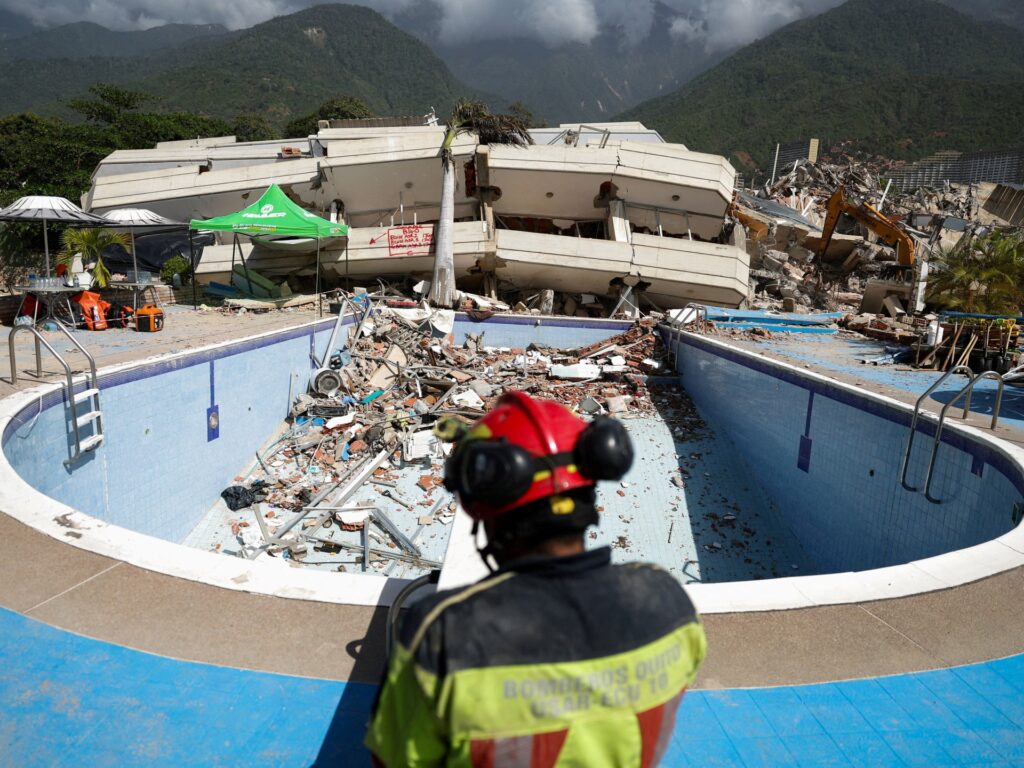
Venezuela is grappling with a looming health crisis following a series of devastating earthquakes that have left many communities in urgent need of aid. According to aid workers on the ground, the situation in temporary shelters is dire, with overcrowded conditions, insufficient access to clean water, and inadequate sanitation facilities raising fears of disease outbreaks.
The recent earthquakes have caused widespread destruction, damaging homes, infrastructure, and essential services. As a result, thousands of displaced residents have sought refuge in emergency shelters, which are struggling to accommodate the sudden influx of people. Aid organizations describe these shelters as resembling “war zones,” where the risk of communicable diseases is heightened by the dense living conditions.
Health professionals emphasize that the lack of proper sanitation and clean water significantly increases the susceptibility of affected populations to waterborne diseases such as cholera, dysentery, and other gastrointestinal infections. In addition, respiratory infections could spread rapidly in cramped shelters where social distancing is impossible.
Humanitarian groups are calling for immediate international assistance to address these risks. They stress the importance of providing adequate supplies of safe drinking water, sanitation infrastructure, and medical support to prevent a public health emergency from escalating.
Local health authorities are currently overwhelmed by the scale of the disaster and the growing number of patients presenting with symptoms related to poor living conditions. Surveillance systems to monitor potential outbreaks are limited, complicating efforts to respond quickly to emerging health threats.
The situation is exacerbated by Venezuela’s ongoing political and economic challenges, which have strained the country’s healthcare system and limited its capacity to respond effectively to natural disasters. Aid workers report delays and difficulties in accessing some of the hardest-hit areas due to damaged roads and communication networks.
Despite these challenges, volunteers and health workers continue to provide essential services, including vaccination campaigns, distribution of hygiene kits, and health education to help mitigate the crisis. International NGOs are coordinating efforts to scale up response activities and mobilize resources.
Experts warn that without swift and coordinated action, Venezuela could face a secondary disaster in the form of widespread disease outbreaks, compounding the humanitarian impact of the earthquakes. The current emergency highlights the urgent need for strengthened disaster preparedness and resilient health systems to protect vulnerable populations in crisis-prone regions.
As Venezuela navigates this difficult period, the solidarity of the international community and the commitment to sustained aid efforts will be crucial in preventing a catastrophic public health emergency and supporting long-term recovery efforts.