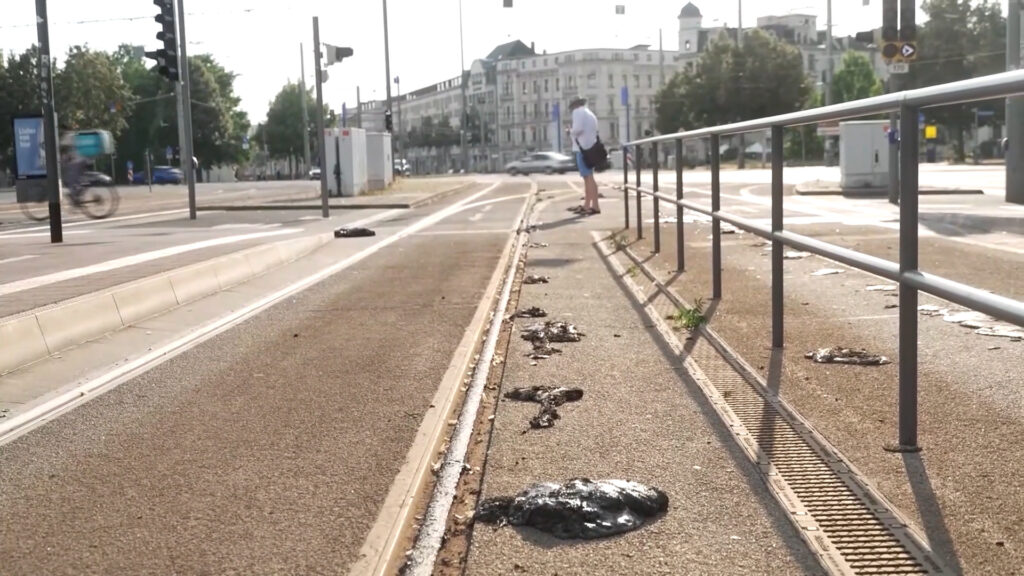
Germany is currently grappling with an intense heatwave that has pushed temperatures to a sweltering 41°C (106°F), leading to significant impacts on public infrastructure and transport. In the city of Leipzig, the soaring heat caused tram tracks to melt, resulting in widespread disruptions to the public transport system. Authorities reported that the extreme temperatures softened the metal and asphalt materials of the tramway tracks, rendering them unsafe for regular service and forcing authorities to halt or reroute tram operations.
This unprecedented weather event marks one of the hottest days on record in Germany, reflecting broader climate trends of extreme heat across Europe. The heatwave has not only affected daily commutes but has also raised concerns about the durability of existing infrastructure under changing climatic conditions.
Local officials are urging residents to take precautions against the heat, advising on hydration and limiting outdoor activities during peak hours. Emergency services have been put on high alert to respond to heat-related health incidents, especially among the elderly and vulnerable populations.
The melted tram tracks have led to severe travel delays and cancellations, prompting city authorities to deploy alternative transportation options where possible. Bus services have been increased, and temporary shuttle services are being arranged to mitigate the disruption.
Experts warn that as global temperatures continue to rise, infrastructure traditionally designed for milder climates will require significant modifications. Urban planning and public transport systems will need to adapt to ensure resilience against extreme weather events, including heatwaves like the one currently affecting Germany.
This event serves as a stark reminder of the growing impacts of climate change and highlights the urgent need for adaptation strategies in cities worldwide. Authorities in Leipzig and across Germany are closely monitoring the situation and are working to restore normal services as quickly and safely as possible.
The German government has also reiterated its commitment to climate action and infrastructure investments aimed at increasing resilience to future weather extremes. Citizens are advised to follow updates from local transit authorities and plan travel accordingly as recovery efforts continue.
As temperatures are expected to remain high in the coming days, all sectors are advised to prepare for ongoing heat-related challenges, including the risk of further infrastructure stress and public health concerns. The Leipzig heatwave incident underscores the critical intersection of climate change and urban living, emphasizing the need for proactive measures to protect communities and maintain essential services during extreme weather conditions.