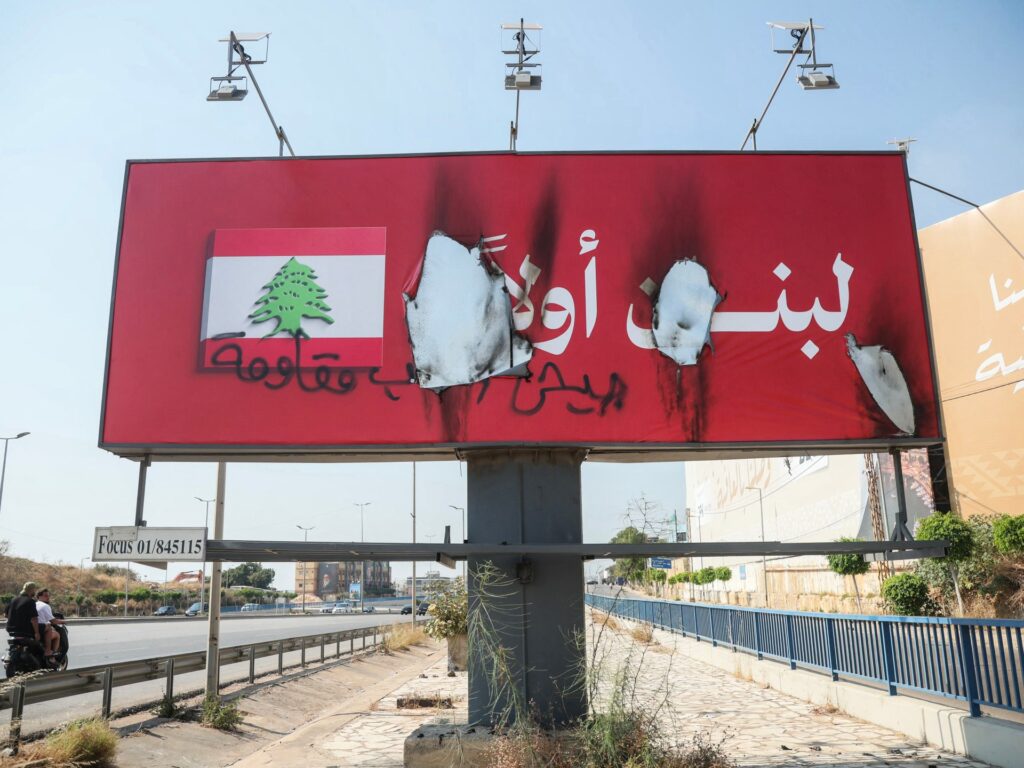
In a tense development that threatens the recently brokered peace deal, Israeli forces have launched strikes into southern Lebanon. This military action comes just days after the two sides reached an agreement aimed at reducing hostilities in the region.
The strikes have been met with condemnation from Hezbollah, the powerful Lebanese militant and political group, which has openly criticized the peace deal, labeling it a surrender. Hezbollah maintains a strong presence in southern Lebanon and has historically been involved in numerous conflicts with Israel.
Despite the peace agreement intended to bring stability to the region, Israeli forces remain stationed in strategic locations near the border. This continued military presence signals ongoing tensions and the fragile nature of the ceasefire.
The peace deal, which was hailed by some international observers as a potential step toward long-term stability, appears to be under severe strain. The Israeli government has justified its strikes as necessary to counter threats from militant groups operating within Lebanon’s southern region.
Local Lebanese communities in the affected areas have reported disruptions due to aerial bombardments and heightened military activity. Humanitarian concerns are rising as civilians bear the brunt of the conflict.
Analysts warn that the backing down from either side seems unlikely at this juncture, as Hezbollah vows to defend Lebanese sovereignty while Israel pursues its security objectives aggressively.
The international community has called for restraint from all parties involved to preserve the peace process. However, the recent hostilities cast doubt on the sustainability of the deal.
In the wake of the strikes, diplomatic channels are expected to be active in seeking ways to de-escalate tensions. The coming days will be critical in determining whether the peace agreement can withstand these early tests or if the region is poised for renewed conflict.
Monitoring the situation closely, various governments have urged both Israel and Lebanon to honor their commitments under the peace deal and engage in dialogue to resolve disputes.
As the situation unfolds, the people of southern Lebanon and Israel remain caught in the crossfire, hoping for a peaceful resolution amidst uncertainty and fear.
This development underlines the complexity of achieving lasting peace in a region fraught with decades of conflict and deep-seated mistrust between neighboring states and communities.
The current scenario underscores the need for continued international mediation efforts and support for conflict resolution initiatives to prevent further escalation and promote enduring stability in the Middle East.