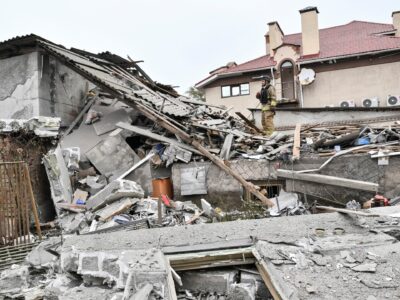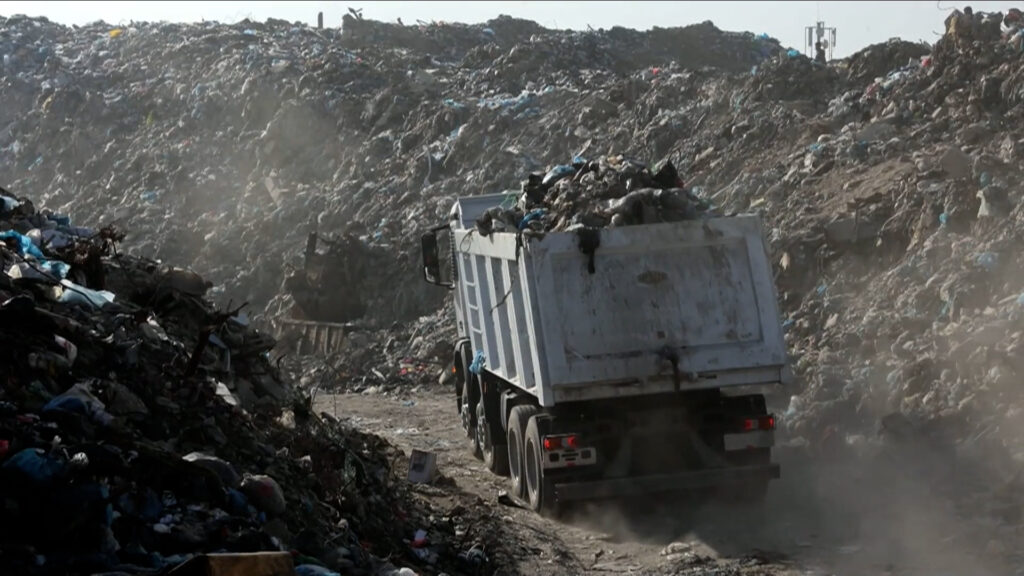
The humanitarian situation in Gaza’s displaced families camps has deteriorated drastically, with unsanitary living conditions posing severe health risks. Many families forced from their homes now reside in makeshift tents surrounded by accumulating waste and untreated sewage, fostering an environment ripe for disease transmission.
Infestations of rats have become widespread throughout the camps, compounding the existing challenges. The rodents thrive in the damp, sewage-laden surroundings, threatening to spread infections and contaminate remaining food supplies. The lack of proper sanitation infrastructure means that sewage runs unchecked, infiltrating living areas and contaminating water sources.
Families living in these camps confront the daily reality of exposure to toxic waste and vermin, which severely undermine their overall health and well-being. Medical resources remain limited, leaving many unable to access necessary care for conditions exacerbated by their environment.
Humanitarian aid organizations emphasize that immediate interventions are crucial to prevent outbreaks of disease and to improve sanitary conditions. They advocate for urgent delivery of clean water supplies, proper waste management, and pest control measures to mitigate health risks.
Experts warn that without swift action, the combination of overcrowding, poor sanitation, and rodent infestations could lead to devastating public health crises. Children and vulnerable populations remain at highest risk, with diseases such as cholera, typhoid, and respiratory infections becoming increasingly common.
The ongoing conflict and blockade complicate access for aid groups, further straining the capacity to respond effectively. Local authorities and international agencies call for ceasefires and increased humanitarian corridors to facilitate urgent assistance.
As the displacement crisis in Gaza prolongs, creating sustainable solutions for sanitation and shelter is essential. Comprehensive planning that includes rebuilding infrastructure and providing sufficient resources is needed to restore dignity and safety to families living in these dire conditions.
The international community is urged to prioritize Gaza’s displaced families by ensuring continuous humanitarian support and addressing the root causes of displacement. Without coordinated efforts, the health and lives of thousands of vulnerable civilians will remain at severe risk from the deteriorating environment in the camps.
In conclusion, the worsening conditions in Gaza’s displaced families camps—marked by sewage, waste, and rat infestations—demand immediate global attention to prevent further human suffering and to uphold basic human rights to health and safe living environments.