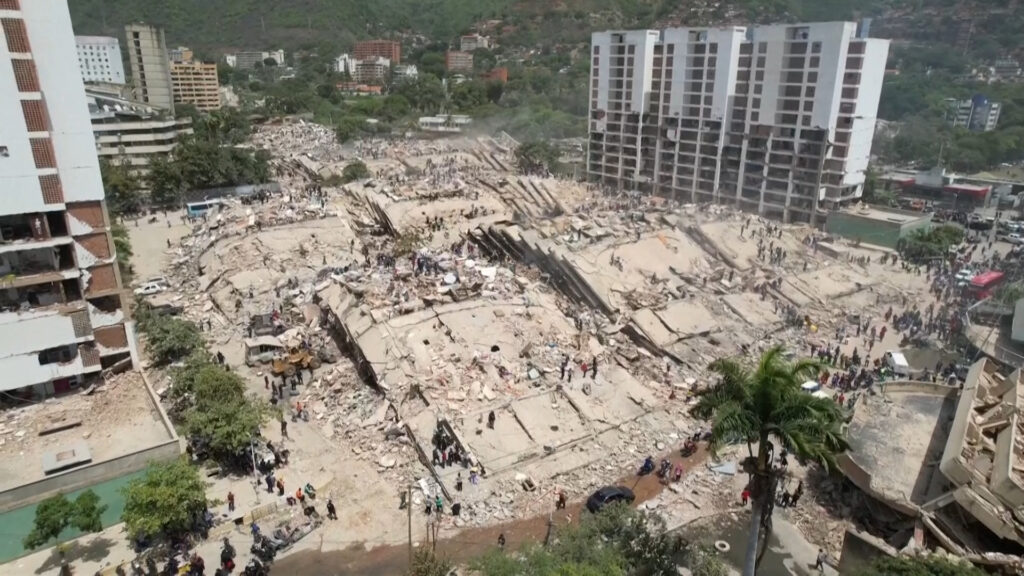
Venezuela’s acting President, Delcy Rodriguez, has faced public backlash and jeers from residents who are grappling with devastation caused by recent earthquakes. The natural disaster has severely impacted communities, and the government’s rescue efforts have encountered significant difficulties.
Local residents expressed frustration and anger towards the leadership, highlighting the challenges in receiving adequate support and timely assistance. Many affected areas are struggling with destroyed infrastructure, lack of basic services, and a slow emergency response, intensifying the distress among the population.
Despite the government’s attempts to coordinate rescue operations, access to some of the most affected zones remains difficult, further complicating relief efforts. Humanitarian agencies have also reported logistical hurdles in delivering aid to remote and heavily damaged communities.
The situation has sparked critiques regarding the readiness and efficiency of the government in handling such crises, with calls for improved disaster management strategies and better resource allocation.
President Rodriguez’s visibility during these turbulent times has been met with both support and discontent, reflecting a nation in distress and urgency for effective intervention.
The earthquakes, which struck multiple regions, have caused casualties and significant property damage, emphasizing the need for continued and enhanced rescue and recovery operations. International aid has been mobilized to support Venezuela’s efforts, but the challenges on the ground highlight the complexities of disaster response in a country already facing socio-economic difficulties.
As rescue efforts continue, the focus remains on saving lives, restoring infrastructure, and providing critical aid to those affected. The public’s reaction underscores the pressing demand for transparent communication and tangible results from national authorities as the country navigates this emergency situation.