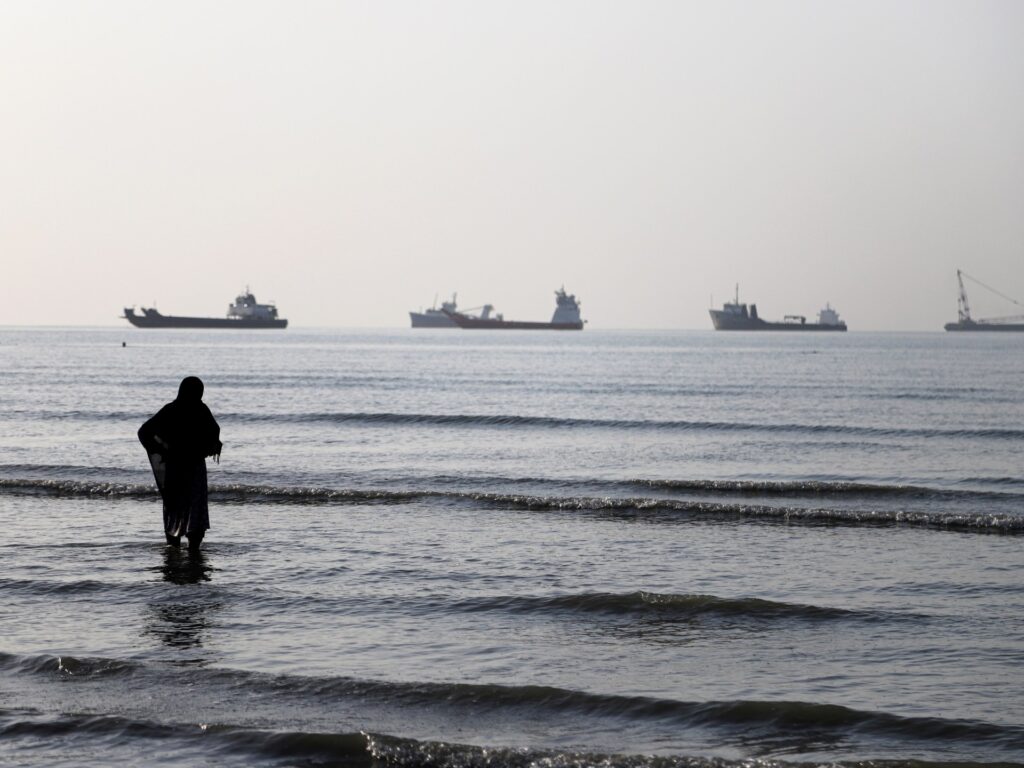
In recent developments surrounding the tense geopolitical climate in the Strait of Hormuz, Iran’s Islamic Revolutionary Guard Corps (IRGC) has seemingly dismissed the United States’ assertion regarding the establishment of a military hotline between the two nations. This alleged communication channel was reportedly intended to prevent misunderstandings and de-escalate potential conflicts in the strategically vital waterway, through which a significant portion of the world’s oil supply passes daily.
The US had announced plans that a direct line of communication, or ‘hotline,’ would be operational to facilitate immediate dialogue and reduce the risk of accidental clashes between naval forces in the region. The hotline concept is a diplomatic and military mechanism commonly used to ensure rapid and clear communication during periods of heightened tension.
However, the IRGC’s response appears to reject these claims, with officials indicating that no such hotline has been agreed upon or activated from their side. This rebuff raises concerns about the prospects of effective communication to manage incidents in one of the world’s most sensitive maritime choke points.
The Strait of Hormuz has long been a flashpoint for US-Iran tensions, with navies from both countries operating in close proximity, while both sides remain on high alert amid broader geopolitical frictions. The potential for misunderstandings and accidental engagements has been a persistent danger, making communication channels like hotlines critically important for stability.
The failure to establish or acknowledge this hotline also underscores the deep-seated mistrust between Washington and Tehran, as well as differing strategic priorities and political posturing. Analysts note that without mutual agreement and confidence-building measures, such communication mechanisms cannot function effectively.
The IRGC’s rejection could also reflect a tactical decision to maintain ambiguity in naval operations and avoid any perception of formal cooperation with the US military presence in the Gulf region. This stance aligns with Tehran’s broader policy of resisting US influence in the Middle East.
International observers are closely watching developments, emphasizing that the absence of direct communication channels heightens the risk of accidental confrontations that could escalate into wider conflicts. The Strait of Hormuz’s significance for global energy security means that any disruption could have far-reaching economic and political ramifications.
Efforts to restart dialogue or negotiate maritime security arrangements have been sporadic, but the recent impasse over the hotline symbolizes the ongoing difficulty in bridging divides. Both countries have vested interests in preventing conflict escalation, yet mutual suspicion continues to hamper trust and cooperation.
In conclusion, the IRGC’s apparent refusal to recognize the US military hotline initiative for the Strait of Hormuz highlights the enduring complexities and challenges of US-Iran relations. It underscores the critical need for innovative diplomatic approaches to manage security issues in this volatile region and mitigate risks to global energy supplies and regional stability.