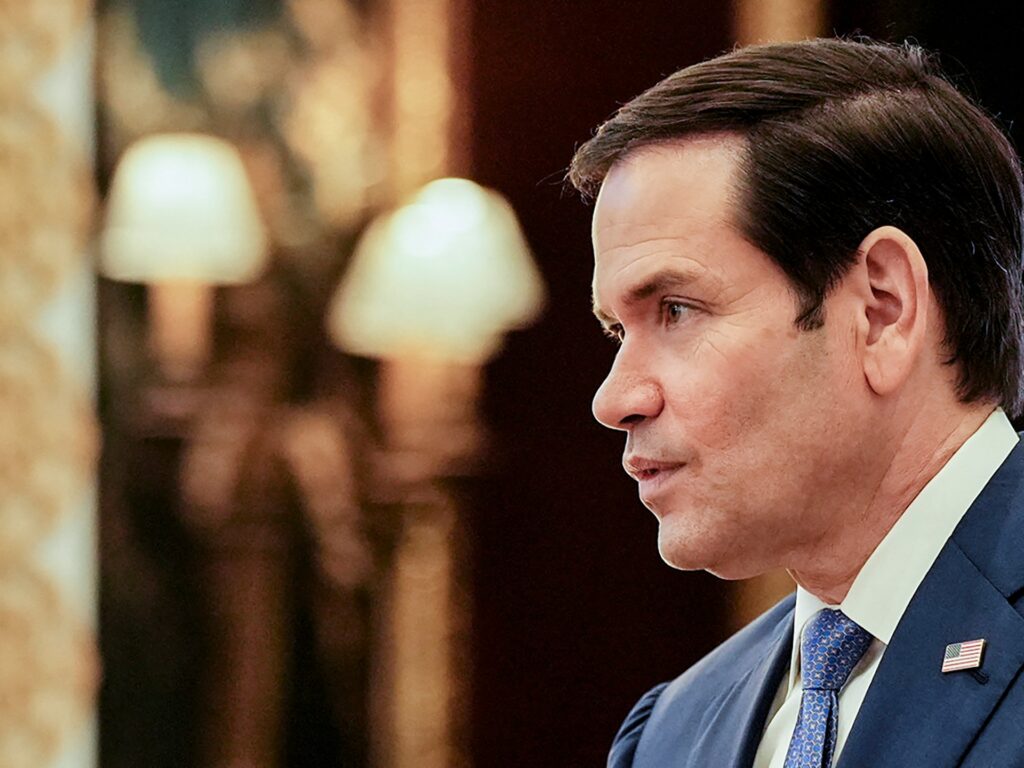
In a significant diplomatic development, US Secretary of State Marco Rubio has announced a framework agreement between Israel and Lebanon following intensive talks in Washington, DC. This agreement marks a critical step towards stabilizing relations between the two nations, which have historically been marked by tension and conflict.
The negotiations, held in the US capital, aimed to address long-standing disputes and foster peaceful cooperation. While the specifics of the agreement have not been fully disclosed, the framework is expected to lay the groundwork for more detailed peace talks and potential future treaties.
Secretary Rubio emphasized the importance of the deal as a milestone for peace in the region. He highlighted the US commitment to supporting both countries in their journey towards mutual understanding and coexistence.
The announcement has been met with cautious optimism by international observers, who see this as an opportunity to reduce hostilities and improve economic and political ties between Israel and Lebanon.
Both countries have suffered from ongoing conflicts, including border disputes and political disagreements. The framework agreement aims to create a platform for dialogue and conflict resolution, which could lead to enhanced security and economic development in the region.
Experts suggest that this deal could potentially open the door for broader regional cooperation and integration, involving other neighboring countries as well.
The US government’s involvement underscores its role as a mediator and peace broker in Middle East affairs. Washington’s active participation in these talks reflects its strategic interest in promoting stability and peace in a historically volatile region.
While challenges remain ahead, the framework agreement represents a hopeful beginning. Stakeholders from both sides have expressed willingness to continue negotiations and work collaboratively towards a peaceful coexistence.
This announcement might also influence the geopolitical landscape of the Middle East, possibly affecting alliances and power dynamics in the region.
Further meetings and discussions are anticipated as both Israel and Lebanon work to implement the framework terms and move towards a more comprehensive peace treaty.
The international community will be closely watching how this agreement unfolds and its impact on the future of Middle Eastern diplomacy and peace efforts.
In conclusion, the framework agreement between Israel and Lebanon, facilitated by the US, could mark a historic turning point, fostering a peaceful environment conducive to economic growth and regional stability. The road ahead will require sustained effort, trust-building, and compromise from all involved parties.