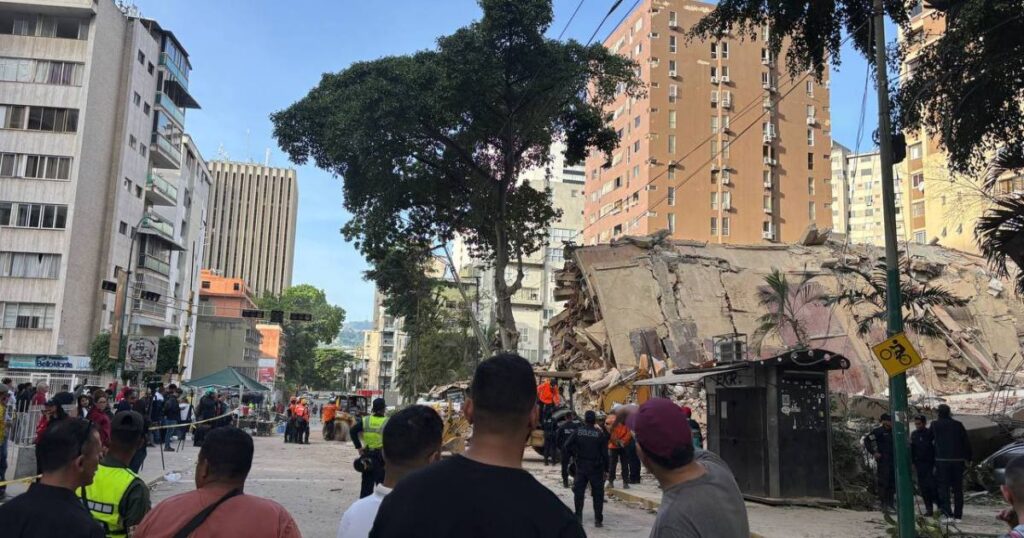
On a day etched in trauma, the residents of Caracas and surrounding regions in Venezuela grapple with the devastation left by twin earthquakes that struck the nation. The powerful tremors not only toppled buildings but also claimed the lives of 188 people, leaving communities shattered and in mourning.
The earthquakes, which struck with little warning, have been described as ‘truly terrifying’ by survivors who recall the chaotic moments when the ground shook violently beneath them. Many recount how their homes, offices, and public spaces collapsed or were severely damaged in seconds, turning familiar places into scenes of disaster.
Emergency services rushed to the affected areas, but the scale of destruction has overwhelmed local resources. Rescue operations are ongoing, with authorities and volunteers working tirelessly to locate survivors trapped beneath the rubble. Hospitals are operating at full capacity, treating hundreds of injured individuals ranging from minor wounds to critical conditions.
Infrastructure across Caracas has suffered extensive damage. Roads are cracked and impassable in certain sectors, complicating relief efforts. Communication networks have been partially disrupted, hindering coordination among responders and families seeking news about their loved ones. Power outages have been widespread, plunging neighborhoods into darkness and adding to the chaos.
Government officials have declared a state of emergency and mobilized the military to assist in rescue and relief operations. International aid organizations are coordinating with Venezuelan authorities to dispatch supplies, including food, water, medical equipment, and temporary shelter materials to support displaced residents.
The earthquake has also raised concerns about the structural integrity of Venezuela’s buildings and the need for improved earthquake preparedness and response plans. Experts warn that many constructions in the region were not built to withstand such seismic activity, making the aftermath even more catastrophic.
As the nation mourns the heavy toll of lives lost, stories of heroism and solidarity have emerged. Communities are banding together to provide mutual aid and comfort amidst the devastation. Volunteers are organizing food distribution centers and makeshift clinics to alleviate human suffering.
Psychological support initiatives are being launched to help survivors cope with trauma and loss. Mental health professionals emphasize the importance of addressing these needs alongside physical recovery to rebuild a resilient society.
The twin earthquakes serve as a stark reminder of Venezuela’s vulnerability to natural disasters and the pressing need for comprehensive disaster risk management strategies. While the road to recovery will be long and challenging, the spirit of Caracas and the solidarity of its people offer hope for eventual healing and reconstruction.