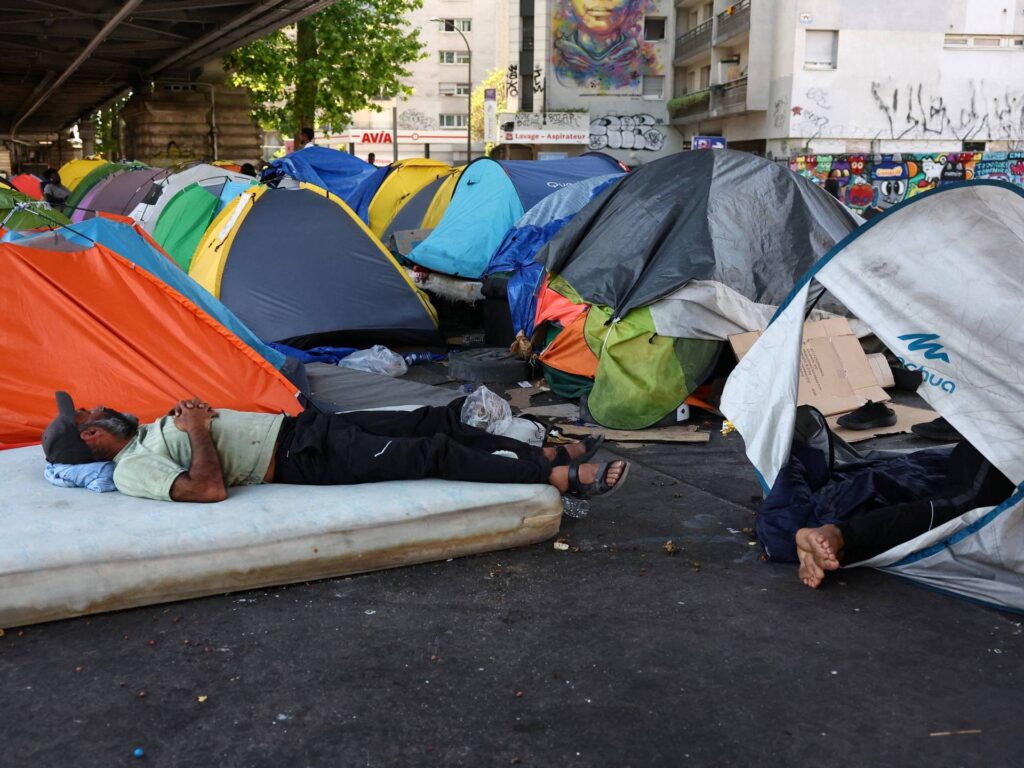
A severe heatwave sweeping across Europe has left hundreds of migrants in Paris exposed to dangerously high temperatures with minimal shelter or assistance. Many migrants, often residing in precarious conditions without access to proper facilities, face increased health risks as the mercury rises.
The Paris heatwave, characterized by record-breaking temperatures, has exacerbated already challenging living conditions for migrants who are often marginalized and overlooked. With limited access to water, shade, and cooling resources, these individuals endure extreme discomfort and potential heat-related illnesses.
Local authorities and aid organizations have been criticized for their inadequate response to the crisis. Despite the clear need for emergency shelters and cooling centers specifically catering to vulnerable populations, many migrants remain on the streets or in overcrowded temporary accommodations.
Human rights advocates stress the urgency of providing immediate relief efforts, including safe shelter, hydration stations, and medical support. They also call for broader structural changes to ensure migrant communities are better protected during extreme weather events.
The issue highlights the intersection of migration and climate vulnerability, showing how environmental disasters disproportionately affect marginalized groups. As climate change leads to more frequent and intense heatwaves, the situation underscores the need for inclusive emergency planning and social support systems.
Residents and volunteers have attempted to offer aid by distributing water and coordinating informal shelters, but structural challenges persist. Language barriers, legal status concerns, and limited outreach hinder effective communication and assistance delivery.
Paris faces mounting pressure to implement comprehensive strategies that prioritize migrant welfare during heatwaves. This includes establishing designated cooling centers, increasing healthcare access, and promoting community engagement to reach those in need.
The ongoing heatwave serves as a stark reminder of the multiple vulnerabilities migrants face, from social exclusion to environmental hazards. Without coordinated action, the health and safety of these populations remain at significant risk.
International organizations and local bodies are urged to collaborate and allocate necessary resources to mitigate the impacts of extreme heat on migrants. Such measures are vital to safeguarding human dignity and preventing avoidable suffering during climatic emergencies.