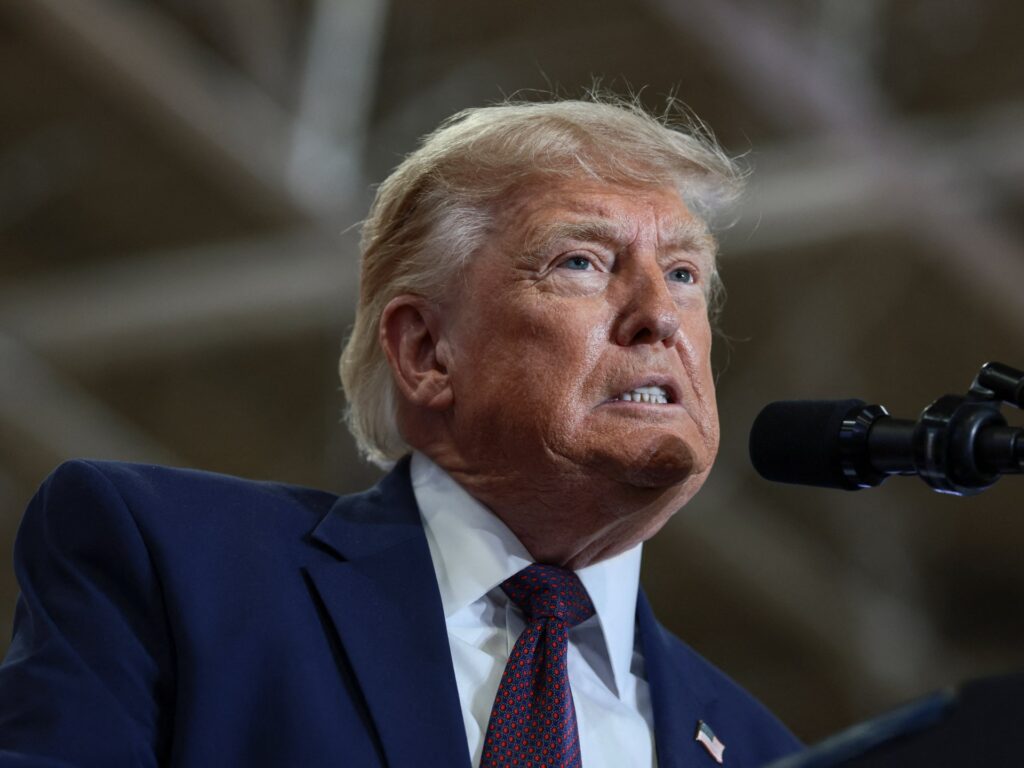
In recent statements, US President Donald Trump asserted that the United States has recouped its expenditures related to involvement in Venezuela by a factor of 28, citing oil extraction as the key driver behind this financial recovery. The claim centers on the economic returns derived from Venezuela’s vast oil reserves, suggesting that the profits from oil extraction have significantly outweighed the costs incurred by the US in its efforts related to Venezuelan affairs.
President Trump’s declaration emphasizes the strategic importance of Venezuela’s oil assets. Venezuela, known for having some of the largest proven oil reserves in the world, has been at the center of complex geopolitical conflicts, with the US and other nations involved politically and economically.
The context of this claim is linked to the US’s multifaceted approach to Venezuela, which has included sanctions, diplomatic pressure, and support for opposition movements, all aimed at influencing the Venezuelan government. According to Trump, the financial gains from authorized oil extraction activities under US influence have led to recovery of investment multiple times, far surpassing the initial financial outlay.
Analysts view the claim through various lenses—some questioning the methodology of calculating such recovery figures, while others acknowledge the potential impact of energy resources on national financing strategies. The global oil market’s volatility adds complexity to these calculations.
The president’s statement also reflects the broader narrative used in political discourse to justify foreign intervention on economic and strategic grounds. This perspective suggests that involvement in Venezuela not only serves geopolitical interests but can also be financially beneficial.
However, critics argue that such claims need careful scrutiny, highlighting the humanitarian, political, and long-term economic costs that accompany foreign interventions. They mention that recouping costs through resource extraction may come with ethical and legal considerations regarding sovereignty and international law.
In summary, President Trump’s assertion that the US has recuperated its expenditure in Venezuela 28 times over through oil extraction underscores the complexity of international relations where economic interests, resource management, and geopolitical strategies intersect. The claim has ignited discussions on the implications of foreign policy focused on economic returns versus broader stability and human rights concerns in the region.