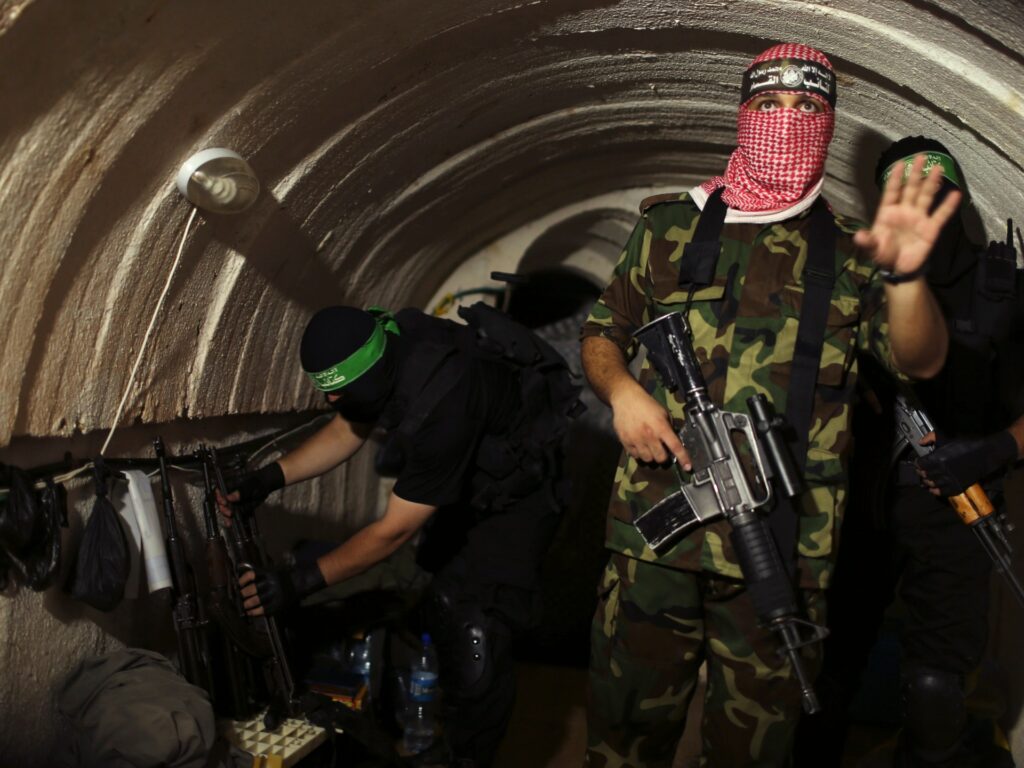
The ongoing peace talks concerning Gaza have encountered a significant roadblock as negotiations stall over critical demands made by the United States envoy. The core of the impasse lies in the envoy’s insistence that tunnel maps and the handover of personal weapons held by families be part of the agreement. These demands reflect heightened concerns about security and the use of tunnels for militant activities, which have been a persistent issue in the region.
Gaza, a densely populated area with a long history of conflict, has seen numerous rounds of negotiation aimed at achieving a ceasefire and eventual peace settlement. The current round of talks was anticipated to push forward new terms for de-escalation and reconstruction efforts. However, the insistence on the transfer of tunnel maps—critical intelligence outlining the subterranean routes allegedly used for smuggling and militant movements—has become a sticking point.
The request for personal weapons to be surrendered is aimed at reducing armed violence and enhancing civilian safety in Gaza. These personal arms, often kept by families for protection or militant purposes, complicate the security landscape. The demand echoes previous international efforts to disarm non-state actors and limit violent confrontations.
While the talks remain active with ongoing dialogue, negotiators have expressed frustration at the delay, indicating that without compromise, the process may face further setbacks. Representatives from Gaza have voiced concerns about the privacy and security implications of handing over sensitive tunnel information and the potential vulnerability created by surrendering weapons.
This diplomatic stalemate highlights the complex interplay between security concerns and political agreements in conflict zones. The US envoy’s position reflects a hardline approach to ensuring future peace agreements are upheld with concrete measures for disarmament and monitoring. However, local parties argue that such demands could undermine trust and stall the peace process.
International observers suggest that a breakthrough might require incremental steps, such as phased sharing of tunnel intelligence and controlled disarmament protocols, to build confidence among all parties. Meanwhile, humanitarian concerns remain pressing as everyday life in Gaza continues to be disrupted by the overarching conflict.
The international community remains watchful as these talks could set a precedent for future negotiations in similar conflict-affected areas. The balance between security imperatives and respect for local realities will be paramount in determining whether the current impasse can be resolved and a sustainable peace achieved.