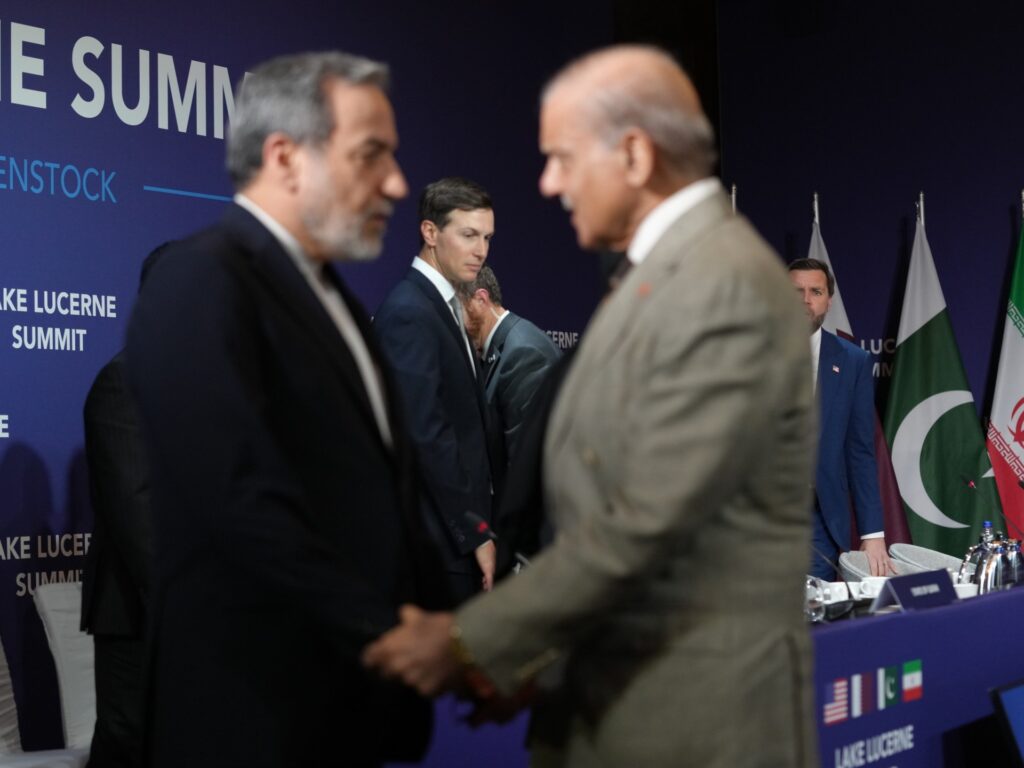
In the complex geopolitical landscape of the Middle East, Pakistan is emerging as a crucial player in efforts to sustain diplomacy between the United States and Iran. The initiative comes at a time when mistrust between the two powers has deepened, and repeated ceasefire failures have highlighted the limitations of previous mediatory attempts.
Pakistan’s renewed diplomatic push is seen as a strategic move to leverage its unique position and historical ties with both nations. Historically, Pakistan has maintained a delicate balance in its foreign policy, engaging with the US as a key ally while fostering cooperative relations with Iran, particularly on border and regional security issues.
The recent surge in diplomatic activity signifies Islamabad’s intent to act as a mediator capable of facilitating dialogue. This role is particularly significant given the backdrop of escalating tensions and divergent interests that have consistently thwarted ceasefire agreements and peace initiatives.
Repeated ceasefire failures between US-backed forces and Iranian-supported groups in conflict zones have exacerbated instability, underlining the urgent need for reliable mediation channels. Pakistan’s engagement thus represents an attempt to bridge these divides in a manner that previous international efforts have struggled to achieve.
Key challenges remain, including entrenched mistrust and competing geopolitical agendas. However, Pakistan’s approach focuses on incremental confidence-building measures, advocating for sustained communication, conflict de-escalation protocols, and broader engagement on regional security issues.
The diplomatic endeavor also reflects Pakistan’s broader foreign policy objectives, emphasizing stability in its neighborhood, economic development, and the prevention of conflict spillover. Success in this mediation could bolster Pakistan’s standing as a regional peacemaker and enhance its diplomatic influence.
Analysts note that while Pakistan’s mediation is not a panacea, it adds an essential dimension to the dialogue ecosystem that is frequently dominated by global powers with competing interests. By emphasizing neutrality and dialogue, Pakistan can potentially open avenues for gradual reconciliation.
In conclusion, as mistrust deepens between the US and Iran, Pakistan’s renewed diplomatic efforts represent a significant, though challenging, pathway to keep dialogue alive. The outcome of this push will depend largely on the willingness of both parties to engage constructively and the ability of Pakistan to navigate the complexities of regional and international politics effectively.