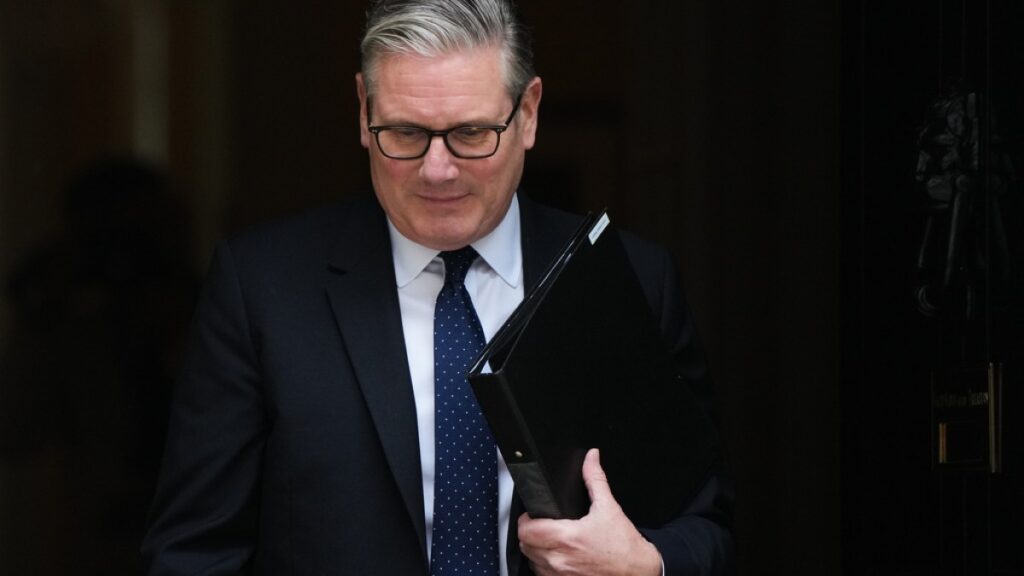
In a significant political development, Keir Starmer, the leader of the UK’s Labour Party and Prime Minister, is expected to announce his resignation. Starmer has been facing increasing pressure over the past months due to a steady decline in his popularity.
The Labour Party, currently the governing party in the UK, has seen turbulent times under Starmer’s leadership. Despite his initial promise and hopes for revitalizing the party, public and internal party dissatisfaction have mounted, culminating in this anticipated announcement.
Starmer’s tenure as Prime Minister has been marked by several challenges, including economic pressures, social issues, and emerging political opposition within the UK. These factors have eroded his support base both among the electorate and within his own party ranks.
Reports suggest that the decision for resignation is a consequence of months of declining opinion polls and mounting calls from party members demanding change at the helm. The situation reflects broader uncertainties in UK politics as the Labour Party prepares for a transitional phase.
Political analysts indicate that Starmer’s departure could lead to a period of introspection and restructuring within the Labour Party. The leadership vacuum presents an opportunity for new leadership to emerge and strategize ahead of upcoming electoral contests.
The resignation announcement is expected to be made shortly in a formal press conference, where Starmer will outline his reasons and the pathway forward for the Labour Party. Observers are keenly watching for Starmer’s comments on the party’s future direction and his personal political plans.
This development has already sparked a flurry of reactions from political commentators, rival parties, and citizens across the UK. Many are speculating about potential successors and the implications for the country’s political landscape.
As the Labour Party prepares for this critical juncture, attention now shifts to the mechanisms of selecting new leadership and the strategic priorities that will define its course. The resignation of Keir Starmer marks not only the end of an era but also the beginning of a crucial transition for British politics.