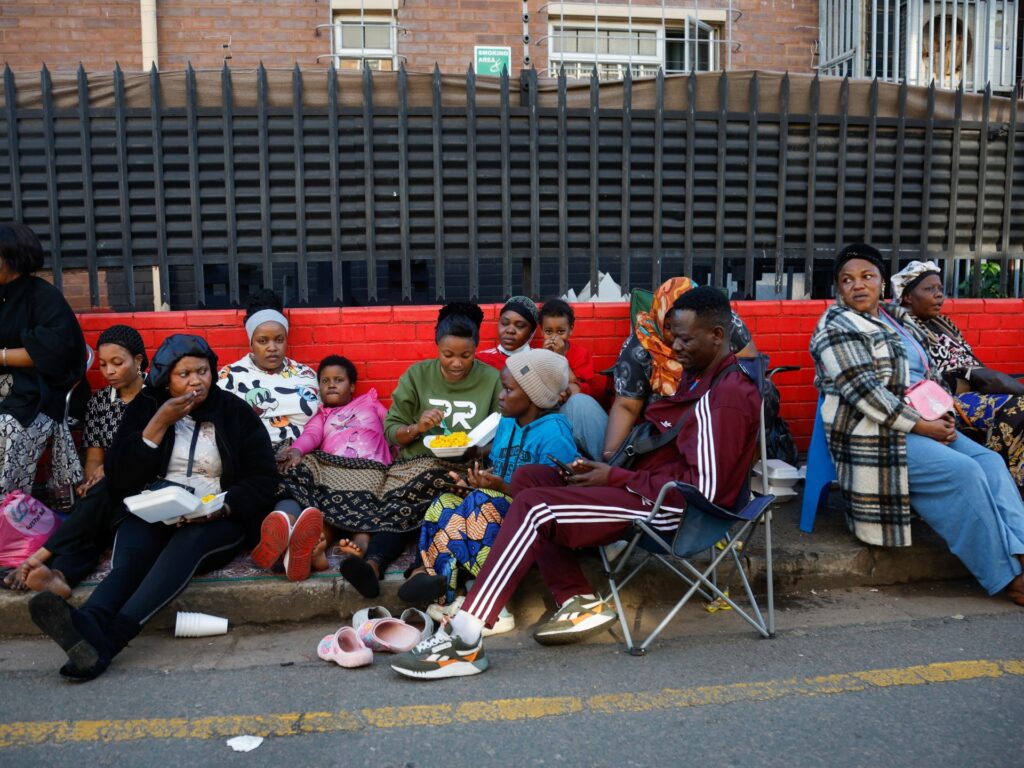
In South Africa, the law enforcement authorities have significantly ramped up security measures in anticipation of a looming deadline set by xenophobic protest groups. These groups have demanded that undocumented migrants and foreigners leave the country by June 30, escalating tensions across various communities.
The call for the mass departure of undocumented foreigners has stirred widespread concern and fear among migrant communities and human rights organizations. These groups argue that undocumented foreigners have exacerbated unemployment and crime, although officials stress the importance of lawful and humane treatment of all residents.
In response, the South African Police Service (SAPS) has deployed additional personnel and increased patrols in urban centers, known flashpoints for violence. The heightened security aims to prevent outbreaks of violence and ensure the safety of all residents regardless of nationality.
Government officials have expressed their commitment to maintaining peace and have urged citizens to refrain from violence or unlawful actions. They emphasize the importance of dialogue and legal processes in addressing immigration challenges.
Human rights advocates have criticized the anti-migrant stance and the imposed deadline, warning that it could incite xenophobic violence and target vulnerable populations unfairly. They call for more comprehensive strategies that focus on integration and social cohesion.
The deadline of June 30 stands as a stark reminder of the deep divisions within South African society regarding migration and national identity. As the date approaches, the spotlight remains on authorities to balance law enforcement with the protection of human rights.
The situation underscores ongoing challenges in South Africa, including economic disparities, unemployment, and social unrest, which contribute to tensions around migration. The government’s response will likely influence how such issues are managed going forward, shaping the country’s social and political landscape.
International observers and neighboring countries have expressed concern, urging peaceful resolution and protection for all individuals living in South Africa. The months ahead will be critical in determining the stability and inclusivity of this diverse nation.