Lebanon is actively engaging in discussions about implementing a ‘de-confliction’ mechanism ahead of upcoming talks with Israel. The initiative, supported by mediators Qatar and Pakistan, aims at creating a framework to prevent military operations and reduce tensions between the two neighboring countries.
The proposed mechanism seeks to ensure that any military activities in Lebanon or Israeli territories do not escalate into full-scale conflict. The talks are part of broader diplomatic efforts to maintain stability and peace in the volatile region.
Qatar and Pakistan, countries playing the crucial role of mediators, emphasize the importance of clear communication channels and agreed protocols to manage incidents that might arise during the peace talks. Their goal is to secure a sustainable cessation of hostilities, thereby protecting civilians and infrastructure on both sides.
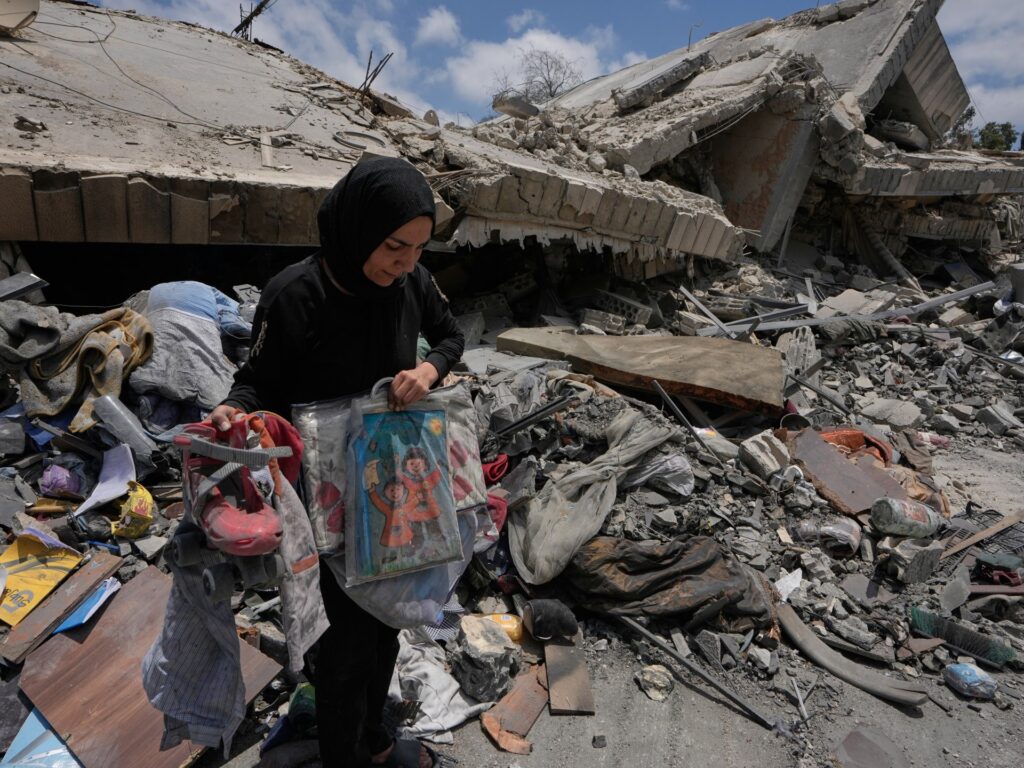
Lebanon has experienced periodic conflicts and military tensions with Israel over the years, with border skirmishes and disputes exacerbating regional instability. This new dialogue marks a significant step towards a structured approach to conflict prevention and open negotiation.
The ‘de-confliction’ talks are designed to lay the groundwork for more extensive peace negotiations by addressing immediate risks of military clashes. Parties involved believe that securing a commitment to avoid direct confrontations will create an environment conducive to more comprehensive dialogue.
Experts suggest that such a mechanism could serve as a model for other conflict-prone areas, where dialogue and communication reduce the chance of accidental or deliberate military escalations.
The international community has welcomed the initiative, seeing it as a positive move in the ongoing struggle to bring enduring peace to the Middle East region. It remains to be seen how effective the mechanism will be once implemented, but the willingness to engage in these talks marks hopeful progress.
Lebanese officials have expressed cautious optimism about the chances of success, highlighting their commitment to a peaceful resolution while safeguarding national sovereignty. Israeli representatives have also signaled readiness to participate constructively, focusing on security and stability.
In conclusion, the discussions concerning the ‘de-confliction’ mechanism underscore the urgent need to prevent armed conflict and pave the way for peaceful negotiations. With Qatar and Pakistan mediating, there is renewed hope that sustained dialogue can reduce hostilities and foster a more peaceful future for Lebanon, Israel, and the broader Middle East region.