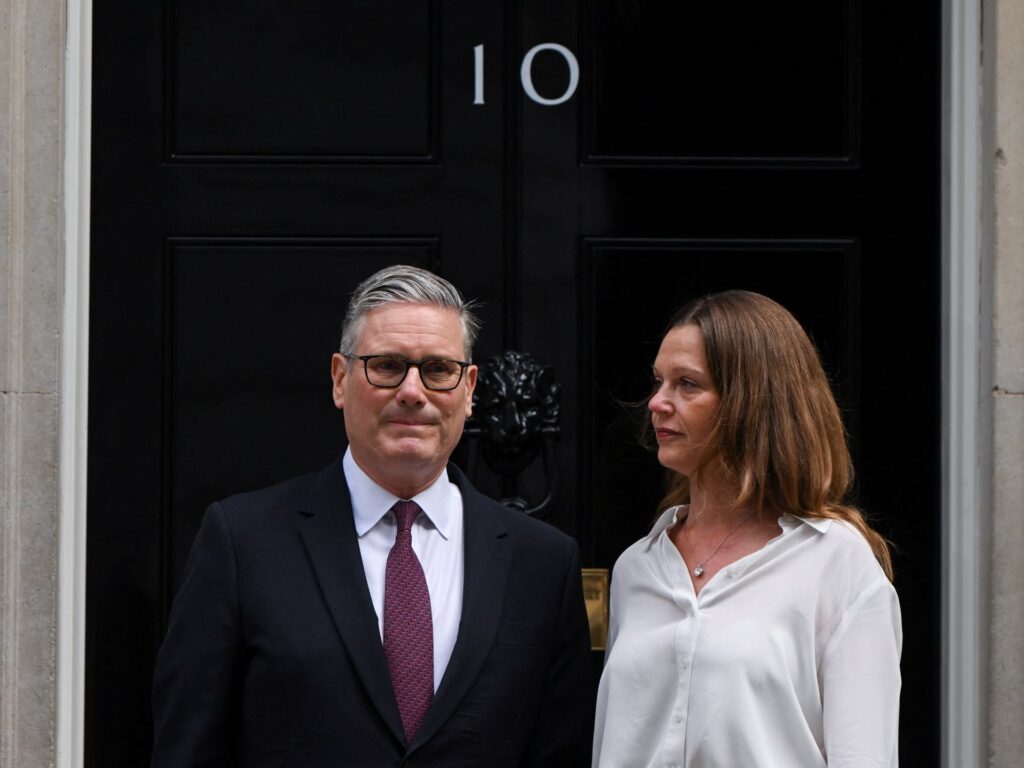
Keir Starmer has officially resigned as the leader of the Labour Party following a significant loss of support within the party. His resignation speech marked the end of a challenging tenure characterized by internal conflicts and shifting political alliances. Starmer’s announcement came as political figures, including Andy Burnham, position themselves for potential leadership roles on the national stage.
In his resignation speech, Starmer expressed a mixture of regret and hope. He acknowledged the difficulties faced during his leadership, highlighting the intense scrutiny and high expectations that came with steering one of the UK’s major political parties. Despite the challenges, he reaffirmed his commitment to public service and urged unity within Labour to move forward.
Starmer’s departure signals a pivotal moment for the Labour Party, which is now at a crossroads. The loss of its leader amidst dwindling internal support underscores the growing tensions and the urgent need for renewed direction and leadership. This development comes against the backdrop of the UK’s broader political landscape, which continues to evolve rapidly.
Andy Burnham, the Mayor of Greater Manchester, is one of the prominent figures reportedly eyeing the top position within the Labour Party. His potential candidacy is being closely watched as it reflects a possible shift in the party’s approach and strategy. Burnham’s experience in regional leadership and his public image could play a crucial role in reshaping Labour’s future.
The political community and the public alike are watching closely as the Labour Party prepares to navigate this transition. The upcoming leadership contest is expected to be fiercely contested, with candidates presenting diverse visions for Labour’s policies and priorities.
Starmer’s resignation not only marks the end of an era for Labour but also raises questions about the party’s direction and the broader implications for UK politics. Observers suggest that the party’s ability to unite and redefine its identity will be critical in the coming months.
As the Labour Party embarks on this new chapter, the political dynamics within the UK are set to shift. The leadership race will likely impact upcoming elections and the party’s capacity to challenge the current government effectively.
In conclusion, Keir Starmer’s decision to step down is a significant moment in British politics, reflecting the complex realities of party leadership and the constant demand for adaptation and renewal in political life. The coming weeks will be decisive in shaping the Labour Party’s future trajectory and its role in the UK’s political arena.