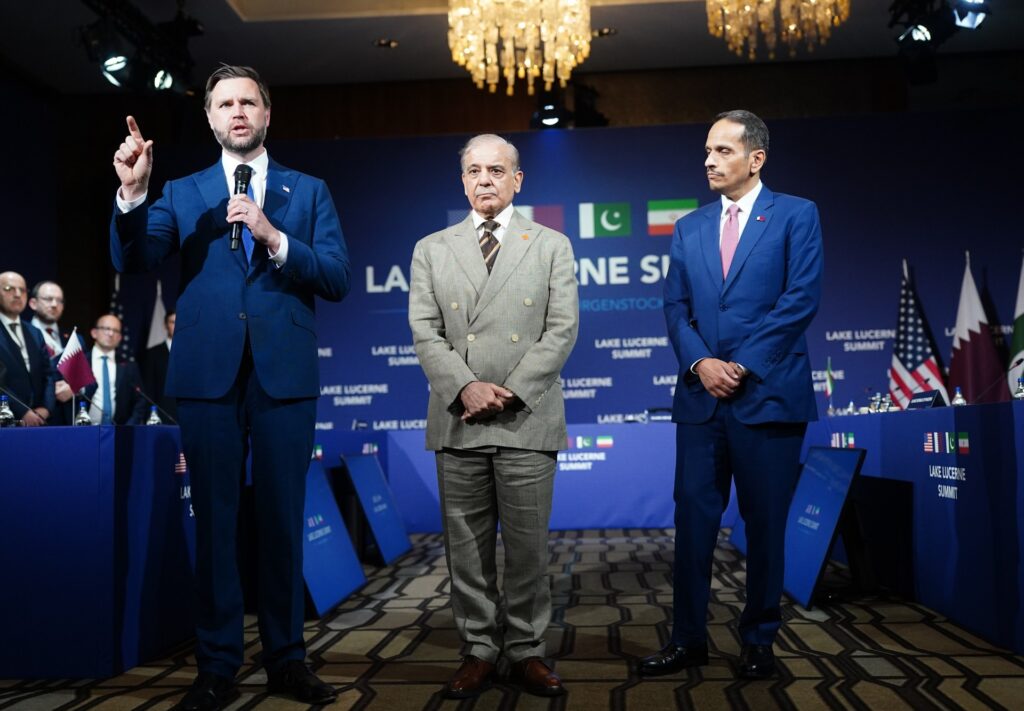
The first day of US-Iran talks has highlighted critical issues including Lebanon, the strategic Strait of Hormuz, and the status of Iran’s frozen assets. These discussions come at a time of heightened tensions and uncertainty surrounding the relationship between the two nations.
The negotiations represent an initial step toward addressing longstanding conflicts and economic disputes. Lebanon remains a key topic, given its geopolitical importance and Iran’s influence in the region through proxy groups and political alliances. The US aims to curb destabilizing activities while seeking regional stability.
Attention is also focused on the Strait of Hormuz, a vital waterway for global oil shipments. Control and freedom of navigation through the strait are pivotal for global energy markets, and both sides are interested in ensuring it does not become a flashpoint for conflict.
Another crucial point on the agenda is the unfreezing of Iranian assets held abroad. Many of these funds were frozen following sanctions imposed due to Iran’s nuclear program and alleged support of militant activities. The talks may open pathways for economic relief in exchange for commitments on nuclear compliance and regional behaviors.
However, the tone remains fragile. Former President Donald Trump has publicly threatened to “hit Iran very hard” if provoked, a statement that provoked a sharp response from Iranian parliamentary speaker Mohammad Bagher Ghalibaf. Ghalibaf cautioned the US to exercise care with its rhetoric to avoid escalating tensions further.
The interaction underscores the delicate balance in US-Iran relations. While diplomatic channels open for potential conflict mitigation, inflammatory language from political figures on either side threatens to derail progress.
Observers note that both parties seem to understand the importance of these talks but recognize the deep mistrust that must be overcome. The US is particularly focused on ensuring that any easing of sanctions or release of funds comes with verifiable guarantees of nuclear compliance and the cessation of hostile activities in the Middle East.
On the Iranian side, leadership appears committed to securing economic gains to address domestic issues exacerbated by sanctions, while maintaining their influential posture in regional affairs.
The global community watches closely as this dialogue unfolds. Stability in the Middle East, safeguarding vital trade routes, and the future of Iran’s international economic engagement depend heavily on the outcomes of these negotiations.
Further rounds of talks are anticipated to build on the groundwork laid during this initial engagement. Analysts stress the importance of measured rhetoric and sustained diplomacy to avoid misunderstandings that could escalate into conflict.
In summary, the first day of US-Iran talks marks a cautious but significant step towards addressing long-standing issues related to Lebanon, the Strait of Hormuz, and frozen Iranian assets. Despite provocative statements from figures like Trump, there remains a window of opportunity for diplomatic progress to enhance regional and global stability.