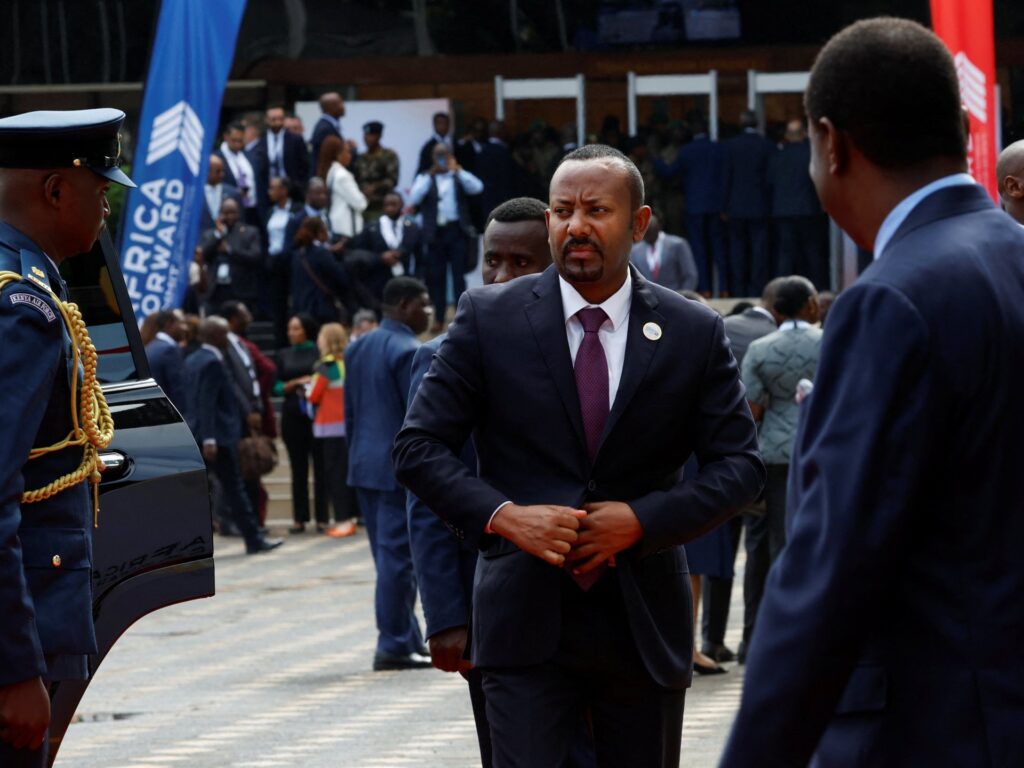
Ethiopian Prime Minister Abiy Ahmed, a Nobel Peace Prize laureate, has led his party to a decisive victory in the recent parliamentary elections, ensuring his continued leadership of the country. This election result reaffirms the mandate of Prime Minister Abiy Ahmed and his party, which has been at the forefront of significant political and economic reforms in Ethiopia since his rise to power.
The election, which saw an overwhelming victory for the ruling party, is viewed by many as a strong endorsement of Abiy Ahmed’s administration. His tenure has been marked by efforts to open up the economy, improve regional relationships, and introduce reforms aimed at modernizing Ethiopia’s political landscape.
However, while the election outcome has secured Abiy Ahmed’s position, analysts and observers have expressed concerns over the potential resurgence of conflicts within Ethiopia. The country has experienced bouts of ethnic and regional tensions in recent years, which have challenged the government’s ability to maintain national unity and stability.
The Nobel laureate’s peace efforts, particularly the historic peace deal with Eritrea, initially raised hopes for long-term peace and stability in the Horn of Africa. But internal divisions and disputes among various ethnic groups remain a significant challenge.
Ethiopia’s political landscape is complex, with numerous ethnic groups and political factions. Some analysts warn that the consolidation of power by Abiy Ahmed’s party could lead to increased tensions if not managed carefully. The government’s approach to governance and inclusion will be critical in determining whether the country can avoid renewed conflicts.
Despite these challenges, the election results demonstrate significant public support for Abiy Ahmed’s vision for Ethiopia. His administration’s policies on economic development, infrastructure projects, and social reforms have resonated with many voters.
The international community has largely welcomed the election outcome, emphasizing the importance of peaceful democratic processes. However, they also highlight the necessity for the Ethiopian government to address underlying issues that have historically fueled conflict.
In conclusion, the parliamentary election solidifies Prime Minister Abiy Ahmed’s hold on power and provides an opportunity to continue his reform agenda. However, the government must remain vigilant and proactive in addressing ethnic tensions and promoting inclusive governance to ensure Ethiopia’s stability and peace in the years ahead.