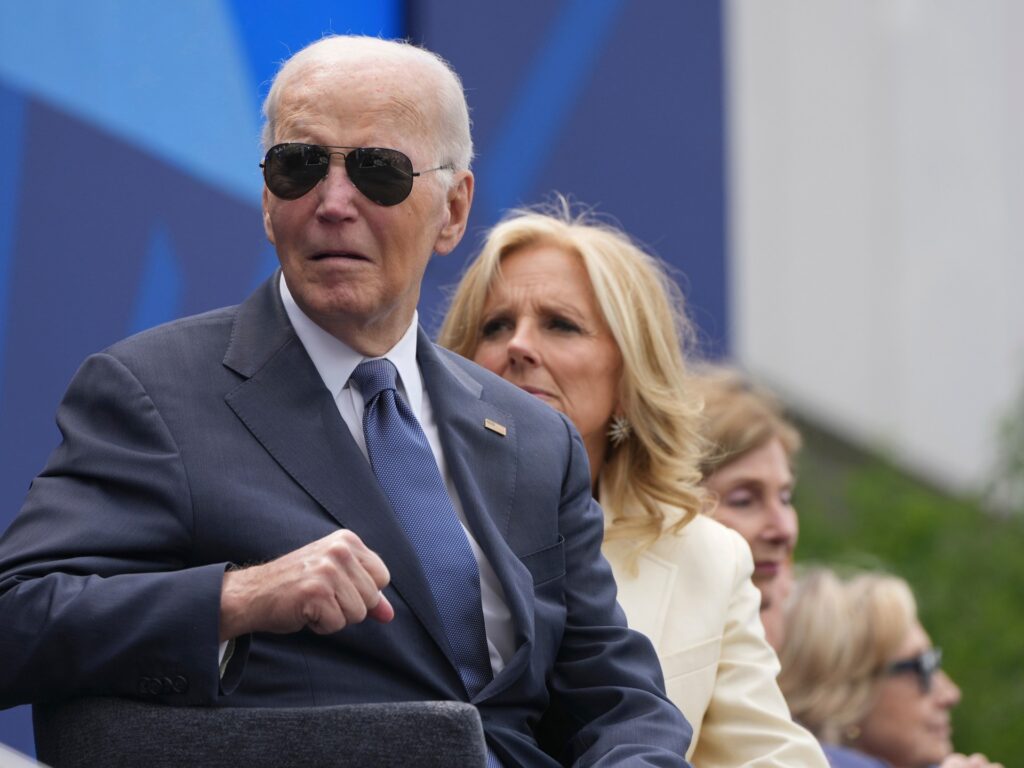
A U.S. judge has recently dismissed a lawsuit filed by Joe Biden, the former Democratic president, aimed at preventing the release of his memoir recordings. Biden argued that making these recordings public would infringe upon his right to privacy. This legal battle highlights the ongoing tension between public interest and personal privacy rights, especially concerning prominent public figures like a president.
The recordings in question stem from Biden’s memoir project, which he undertook to recount and reflect on his long political career and personal life. However, the release of these audio materials became a contentious issue when Biden sought to block their dissemination, citing concerns over unauthorized exposure of private information.
The judge’s decision to reject Biden’s lawsuit signals a judicial inclination toward transparency and public access to historical materials, particularly those involving influential political leaders. Legal experts suggest that this ruling might set a precedent for how intellectual property and privacy rights intersect in the context of public figures’ memoirs and other creative works.
Supporters of Biden expressed disappointment, emphasizing the importance of safeguarding individuals’ privacy, regardless of their public status. They argue that releasing the recordings could compromise sensitive information and undermine the trust between public figures and their biographers or publishers.
Conversely, advocates for transparency hailed the court’s decision as a victory for free speech and the public’s right to access important historical documents. They assert that such materials are crucial for understanding the complexities of leadership and political decision-making.
This case comes amid a broader conversation about privacy rights in the digital age, where the boundaries of personal and public information are increasingly blurred. As technological advancements make it easier to record, store, and disseminate content, courts face the challenge of balancing competing interests in each case.
Biden’s lawsuit and the resultant ruling underscore the delicate interplay between individual privacy and the public’s demand for openness. It also raises questions about how former leaders manage their legacies and the extent to which their personal accounts can be shared.
In response to the ruling, Biden’s legal team is reportedly considering their next steps, which may include an appeal. Meanwhile, the recordings are expected to be released, providing new insights into Biden’s presidency and personal reflections.
This development will likely influence similar cases involving memoirs and personal recordings of other public figures. It highlights the evolving nature of privacy laws and the ongoing debate over the rights of individuals versus societal interests.
As this story unfolds, it serves as a reminder of the complexities surrounding privacy, history, and the public’s right to know, especially concerning those who have shaped the nation’s political landscape.