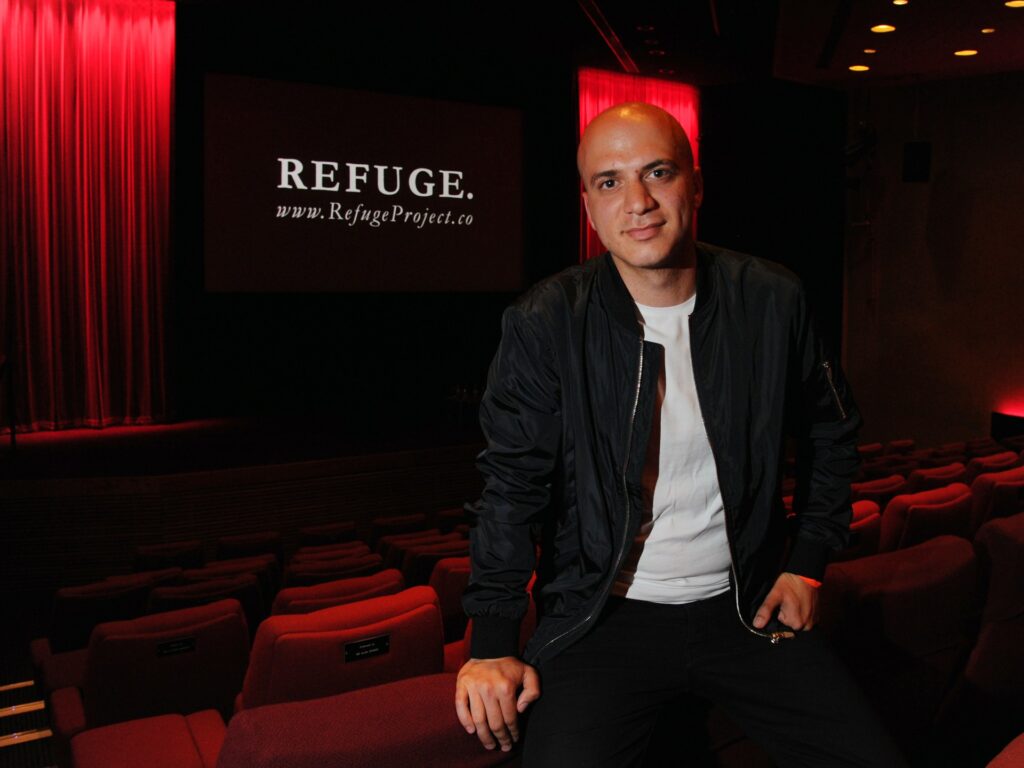
Hassan Akkad, a prominent Syrian activist, has been detained in Damascus, raising concerns about the ongoing repression of dissent in Syria. According to reports, Syrian journalist Mousa al-Omar filed a complaint against Akkad based on comments he made on social media prior to his arrest.
Hassan Akkad has been known for his vocal criticism of the Syrian government and his activism in advocating for human rights and political reform. His detention in the capital city highlights the risks faced by activists under the current regime, especially those expressing their views openly online.
The complaint by Mousa al-Omar reportedly focused on specific social media remarks made by Akkad that were critical of the government. This incident underscores the heightened sensitivity of authorities to public criticism, particularly on digital platforms where the government closely monitors dissent.
Human rights organizations have condemned the detention, calling for immediate release of Akkad and an end to the suppression of free speech. They emphasize that such arrests contribute to a climate of fear and inhibit the ability of citizens to participate in open dialogue about the future of Syria.
The situation in Syria remains volatile, with activists and journalists frequently targeted for their efforts to expose abuses and advocate for change. Akkad’s detention serves as a reminder of the ongoing challenges faced by those who strive to promote transparency and accountability in the country.
Observers note that social media has become a battleground for control over public discourse in Syria. Comments and posts by activists like Akkad often lead to repercussions, including legal actions and detentions. The use of complaints by other journalists or individuals aligned with government views adds another layer to the complex dynamics of censorship and control.
International response to such detentions typically includes calls from diplomatic entities and advocacy groups urging respect for human rights and the protection of journalists and activists. These calls aim to pressure the Syrian government to uphold international norms despite the internal political complexities.
Hassan Akkad’s case draws attention to the critical importance of safeguarding freedoms in environments where authoritarianism seeks to silence opposition. The broader implications extend beyond Akkad himself, reflecting ongoing struggles within Syria for democratic governance and respect for civil liberties.
As the world watches developments in Syria, the detention of advocates like Akkad is a stark indicator of the challenging environment for change agents. Continued international solidarity and efforts to support Syrian activists remain crucial in the face of repression.
In conclusion, Hassan Akkad’s detention in Damascus, prompted in part by a complaint from journalist Mousa al-Omar concerning his social media activity, reflects the broader issues confronting activists and journalists in Syria. It underscores the urgency for reforms that protect freedom of expression and enable constructive dialogue about the country’s future.