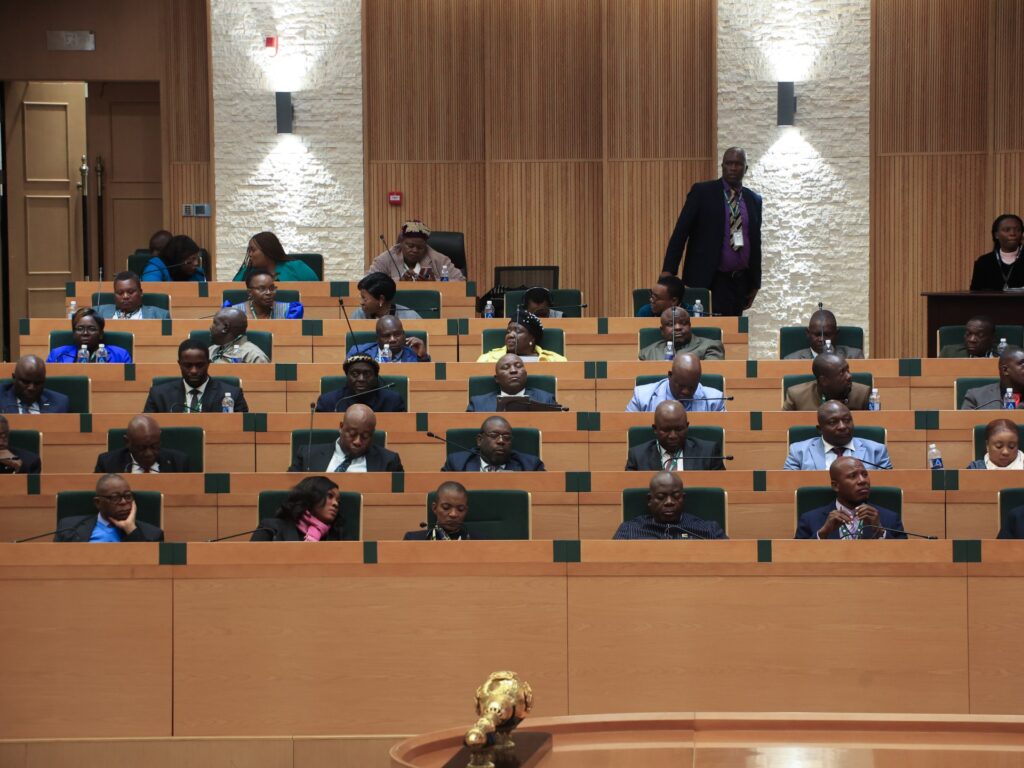
Zimbabwe is currently witnessing a major political upheaval following the introduction of a bill aimed at scrapping presidential elections. The proposed legislation has divided the nation, drawing passionate opinions from both supporters and opponents alike.
Supporters of the bill argue that it represents a significant governance reform. They claim that the move could streamline the political process and reduce electoral tensions that have long plagued the country. According to proponents, the bill could usher in a new era of stability, focusing on development and policy continuity instead of recurrent electoral battles.
Those in favor insist that eliminating presidential elections would help concentrate efforts on governance and economic reform. They believe Zimbabwe has faced numerous challenges related to contested elections, which often lead to violence and civil unrest. By removing the presidential race, advocates argue that the country can redirect resources towards pressing social issues and development goals.
On the other hand, opponents of the bill are deeply concerned about what this legislative change means for Zimbabwe’s democratic future. Many see it as a dangerous step that could undermine democratic principles and entrench authoritarian rule. Critics argue that scrapping presidential elections effectively denies citizens the right to choose their leader, potentially paving the way for unchecked power concentration.
Political analysts warn that this bill could mark a turning point in Zimbabwe’s political landscape, posing significant risks to transparency, accountability, and governance. They contend that while the bill might be framed as a series of reforms, it could signal the erosion of democratic norms and the marginalization of opposition voices.
Civil society organizations and human rights activists have joined the chorus of opposition, calling for broad public consultations and adherence to democratic norms before any such fundamental change is enacted. They emphasize the critical importance of elections in ensuring government legitimacy and fostering political participation.
The bill has also triggered widespread public debate across Zimbabwe, with protests and rallies both in support of and against the legislation. Social media platforms have become battlegrounds for competing narratives, reflecting the polarized views of Zimbabweans on the issue.
International observers have expressed concern over the bill’s potential implications, urging Zimbabwean lawmakers to consider the broader consequences of dismantling electoral mechanisms. They highlight the importance of upholding democratic processes to maintain regional stability and international relations.
Historically, Zimbabwe has faced challenges with electoral transparency and political conflict. The new bill, if passed, would represent a significant departure from past practices, potentially reshaping the country’s political system.
In conclusion, the bill to scrap presidential elections has thrown Zimbabwe into a heated debate about governance, democracy, and the future direction of the nation. Whether this legislation will bring about the touted reforms or usher in a period of authoritarian rule remains to be seen, but its impact on Zimbabwe’s political trajectory will undoubtedly be profound and far-reaching.