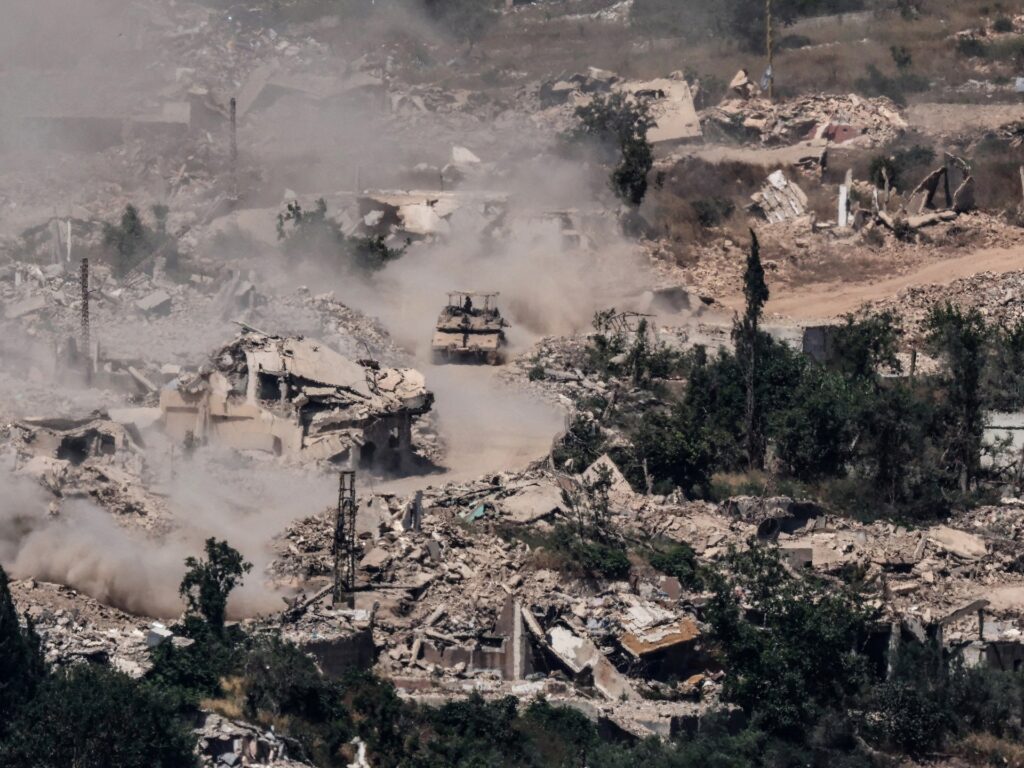
In recent developments, Israeli military operations in southern Lebanon have resulted in the deaths of three individuals, continuing unabated despite a recent US-Iran deal that ostensibly called for a cessation of military activities. This incident highlights the ongoing volatility and complex dynamics in the region, with the US and Iran having reached an agreement aimed at reducing hostilities.
The attacks occurred in a region that has historically been a flashpoint for conflict, involving various militant groups and national armies. Despite international diplomatic efforts, including the notable US-Iran accord intended to halt aggressive military actions, the ground reality remains tense and violent.
The US-Iran deal was perceived as a significant diplomatic achievement, promoting de-escalation and stability in the Middle East. However, the continuation of Israeli strikes on southern Lebanon suggests that the agreement’s reach and enforcement face substantial challenges.
Observers note that the complexities of regional politics, including the roles of non-state actors and geopolitical rivalries, complicate the implementation of agreements. Israel maintains its right to respond to what it considers threats to its national security, often citing rocket attacks from Lebanese territories as justification for its military actions.
Meanwhile, Lebanon’s southern border remains a highly militarized zone, with periodic exchanges of fire contributing to civilian casualties and widespread displacement concerns. The recent Israeli attacks killing three individuals exacerbate the humanitarian situation and further strain the fragile peace efforts.
International reactions to these events have been mixed, with calls for restraint and adherence to the US-Iran deal from some global actors, while others emphasize the need for addressing the underlying causes of conflict. The United Nations and various human rights organizations have urged all parties to prioritize diplomatic dialogue and protect civilian lives.
The ongoing violence challenges the prospects for long-term peace in the region and underscores the difficulty of translating high-level diplomatic agreements into effective ground-level change. Analysts suggest that renewed dialogue involving all stakeholders, including regional powers and local factions, is essential to halt the cycle of violence.
As the situation evolves, attention remains on the role of international diplomacy, the effectiveness of peace agreements, and the urgent necessity to curb further loss of life. The shadows cast by recent events in southern Lebanon serve as a stark reminder of the fragility of peace and the complexities inherent in resolving entrenched conflicts in the Middle East.