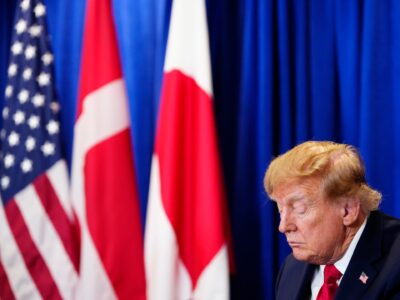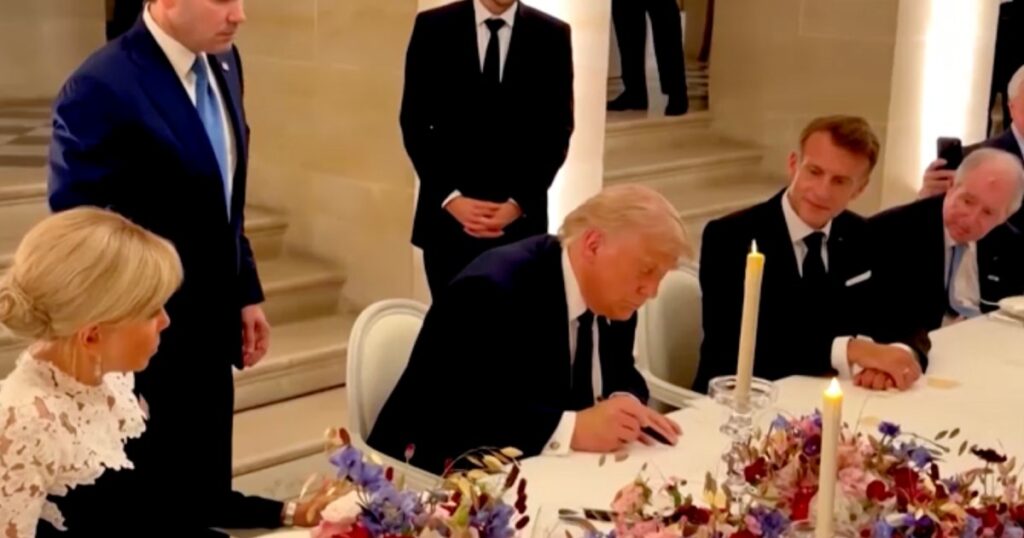
In a significant diplomatic development, the presidents of Iran and the United States have signed a memorandum of understanding (MoU) to extend a ceasefire by an additional 60 days. This agreement also outlines plans to reopen the strategically crucial Strait of Hormuz, a vital maritime passage for global oil shipments that had been a flashpoint for tensions in recent years.
The MoU represents a breakthrough after prolonged periods of hostilities and strained relations between the two countries. Both nations confirmed the signing of the deal, demonstrating a mutual commitment to reducing conflict and fostering stability in the Gulf region.
The Strait of Hormuz, located between the Persian Gulf and the Gulf of Oman, is one of the world’s most important chokepoints for the global energy supply. Approximately 20% of the world’s petroleum passes through the narrow sea lane, making its security a priority for international trade and energy markets.
The extension of the ceasefire indicates that both parties are seeking to avoid military confrontations and are willing to engage in diplomatic negotiations to solve their differences. According to officials, the ceasefire extension will last for 60 days, during which time dialogue is expected to continue with the goal of achieving a more permanent resolution.
Reopening the Strait of Hormuz to safe and unimpeded passage is expected to relieve concerns over maritime security and will likely have a positive impact on oil prices, which have been volatile due to previous threats of blockades and military skirmishes in the region.
Iran’s government has expressed that the agreement is a step towards reducing regional tensions and improving its economic and diplomatic ties. Similarly, the United States has underscored its interest in securing freedom of navigation in international waters and promoting peace and stability.
This development follows months of behind-the-scenes talks and international mediation efforts aimed at de-escalating tensions in the Gulf. Various global powers have welcomed the agreement, seeing it as an opportunity to promote broader peace initiatives and economic cooperation.
Experts note that while the memorandum does not resolve all outstanding issues, it marks a hopeful turning point in a historically fraught relationship. The success of the ceasefire extension and reopening of the Strait will depend on continued compliance and constructive engagement from both sides.
As the ceasefire period progresses, the international community will closely monitor the situation to gauge the long-term implications of this agreement for regional security and global energy markets. The reopening of the Strait of Hormuz stands as a critical focal point for ensuring uninterrupted global trade and maintaining stability in one of the world’s most geopolitically sensitive areas.
In summary, the signing of the MoU between Iran and the US presidents to extend the ceasefire and reopen the Strait of Hormuz is a pivotal moment in international diplomacy. It paves the way for reduced conflict, enhanced security, and potential economic benefits, dependent on sustained cooperation and mutual adherence to the terms agreed upon.