Recent events in Bolivia have highlighted the growing issue of food shortages, which have escalated to public disturbances outside supermarkets. In a troubling development, citizens faced scuffles while attempting to secure basic food items, shedding light on the pressing economic challenges and supply chain disruptions affecting the region.
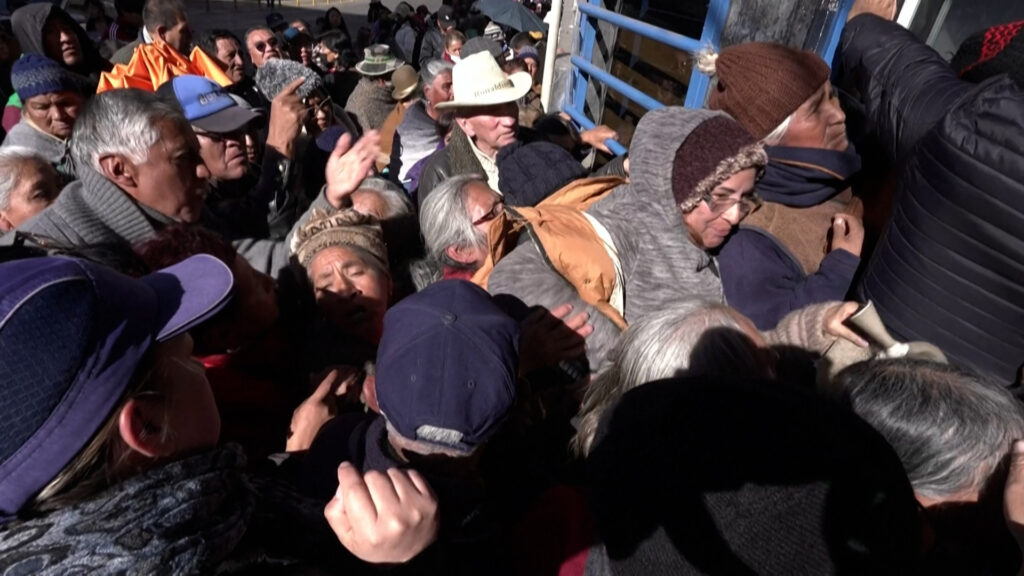
The scuffles occurred as limited supplies of essential commodities, including rice, flour, sugar, and cooking oil, were made available in a local supermarket. Frustrated shoppers, faced with scarcity and prolonged waiting times, resorted to physical altercations in their rush to obtain these necessities.
Bolivia has been grappling with economic turmoil, inflation, and impacts from global supply chain issues. These factors have severely affected the availability and affordability of staple foods. Local authorities and supermarket management have struggled to maintain order and ensure equitable distribution of food stocks.
Eyewitnesses reported chaotic scenes, with some individuals pushed to the point of desperation given the uncertainty of future supplies. The incidents have raised concerns about social stability, as prolonged shortages risk intensifying public unrest.
Government officials have acknowledged the problem and pledged to implement measures to alleviate scarcity. These include increasing imports, monitoring prices to prevent hoarding and speculation, and supporting local agriculture to boost food production.
Community leaders and civil society organizations have called for calm and cooperation, urging citizens to stay informed and avoid panic buying which exacerbates shortages.
The food shortages in Bolivia reflect broader challenges faced by many countries grappling with the aftershocks of the global pandemic and geopolitical tensions affecting trade and logistics. Addressing these challenges requires coordinated efforts between the government, private sector, and international partners.
In the short term, food distribution programs and subsidies may provide relief for vulnerable populations most affected by rising costs and scarcity. Long-term solutions will focus on strengthening food security through sustainable agricultural practices and resilient supply chains.
The recent supermarket scuffles serve as a stark reminder of the urgent need to address food insecurity in Bolivia. Without effective interventions, the situation risks worsening, impacting not only economic stability but also social cohesion and public health.
As Bolivia navigates these challenges, the collective response of its people and institutions will play a critical role in restoring access to essential food supplies and maintaining peace. The international community’s support in times of crisis remains crucial to ensure that no one goes hungry amidst these hardships.