The ongoing conflict involving Iran has seen recent developments with the International Atomic Energy Agency (IAEA) announcing plans to return to Iran for renewed inspections and monitoring. This move aims to enhance cooperation and oversight concerning Iran’s nuclear program, amidst heightened global attention and diplomatic negotiations.
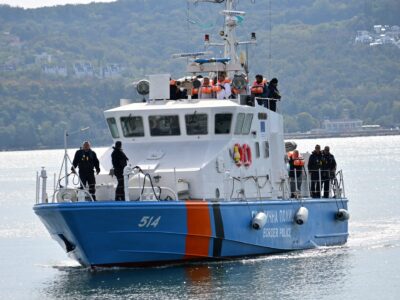
In parallel developments, tensions continue to simmer in the strategically vital Strait of Hormuz, a crucial chokepoint through which a significant portion of the world’s oil supply passes. Recent reports indicate that Iranian vessels have been actively navigating through the strait following the lifting of the US naval blockade, signaling a shift in naval operations in the area.
The removal of the blockade, a decision by the United States, has sparked a strong backlash, particularly within Israel. Israeli officials and commentators have expressed concerns over the potential security implications and the perceived emboldening of Iran’s maritime activities. This reaction underscores the complex regional dynamics and the differing security priorities among key Middle Eastern players.
The Strait of Hormuz remains a flashpoint due to its strategic importance for global energy markets and regional security. The passage of Iranian vessels post-blockade highlights the fragile nature of the situation and the challenges in maintaining a stable balance of power in the area.
Analysts suggest that the return of the IAEA to Iran could be a pivotal step in reducing tensions by increasing transparency and fostering dialogue. Nonetheless, the immediate maritime developments in the Strait of Hormuz indicate that the region is far from achieving long-term stability.
The international community continues to watch closely as diplomatic efforts and security measures evolve in response to the shifting landscape. The situation remains fluid, with the potential for further economic and military ramifications depending on how the involved parties navigate the complex geopolitical terrain.
In summary, the latest updates underscore the dual nature of the evolving conflict: a potential diplomatic thaw through the IAEA’s return to Iran, contrasted by escalating maritime tensions following the US’ strategic decisions in the Strait of Hormuz. Stakeholders regionally and globally must stay vigilant as these developments unfold, with the hope of steering towards de-escalation and constructive engagement.